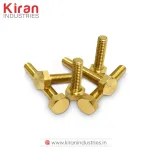
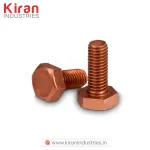
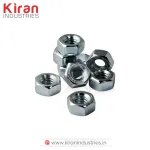
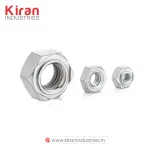
Ever had a bolt that couldn't be tightened? It's generally a red flag that they have selected the wrong one. Though largely obscure, Allen bolts are common components that do a lot of work in the machinery, vehicle and gigantic structure world. However, not every allen bolt is the same. When it is time to test your fastener, it must work based on the grade, material and type of thread, as well as the design of the head. Right selection isn't only a detail it is a direct effect on strength, durability and performance in the industries. This guide shows you what it takes to select smart.
What Are Allen Bolts?
Imagine a bolt that has no edges on which to grip — only a nice little hexagon in the head! This is an allen bolt that has been tightened up with an allen wrench, rather than a wrench. That recessed socket is really working hard: It is flush, space-saving and won't round or slip in the middle of installation like some standard heads do. Where a clean fit and a solid grip aren't a matter of choice, it's a matter of engineering! — all the way to a machinery frame, an automotive part, precision equipment and anywhere else engineers need to reach for allen bolts in tight, high pressure places.
Fun Fact: Allen bolts get their name from the Allen Manufacturing Company, which patented the hex-socket screw design back in 1910. Over a century later, that same little hexagon is still the go-to for tight, high-precision fastening — proof that good design never really goes out of style.
Different Types of Allen Bolts
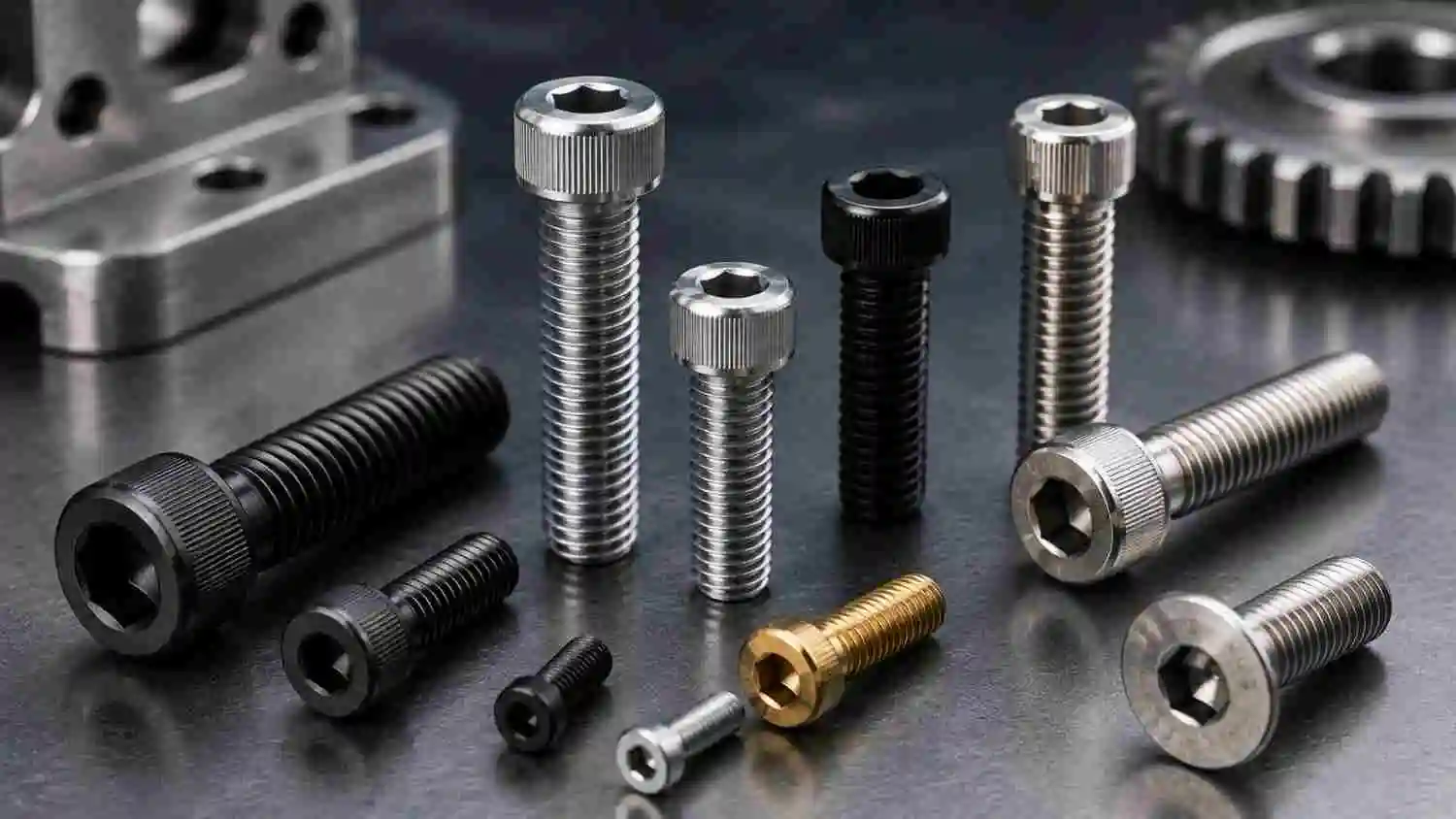
Not all hex-socket fasteners are built the same — knowing your allen bolt types saves you from picking the wrong one and regretting it later.
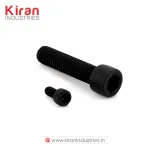
- Cylindrical head — (socked head allen bolts) designed for high torque and load. For when a lot of clamping is required in a small space, this is the one to use.
- Button head allen bolts — rounded, low profile and unobtrusive. Great when a fatter head would be in the way or it just looks clunky!
- Countersunk allen bolts -– sit flush, nearly invisible when installed. Ideal for surfaces that must remain smooth such as panels or moving surfaces.
When it comes to types of allen bolts, the choice typically does not fall on the one that you select but rather, it falls on the application.
Allen Bolt Materials and Their Properties
The thing nobody tells you up front is that it is important to choose the right allen bolt material, as much as shape or size. For machines that will not slow down, alloy steel allen bolts are heat treated to deliver serious strength that can withstand high stress and heavy vibration without flinching. The stainless steel allen bolts, on the other hand, are designed to withstand moisture, chemicals and rust making them the safer choice for any outdoor application or damp area. The end result is that the kind of allen bolts material determines how long the bolt will last, either for years or until it fails prematurely due to pressure it couldn't withstand.
Fun Fact: Stainless steel's rust resistance isn't magic — it's chromium. Even a small percentage forms an invisible protective layer on the surface that "heals" itself when scratched, which is exactly why stainless allen bolts hold up so well in damp or corrosive environments.
How to Select the Right Allen Bolt
Knowing how to select allen bolts comes down to a few honest checks before you buy.
- Fit the load that you are really using in your assembly.
- Select materials in response to the context
- Select a head type that fits and complete
That's the short list of trustworthy industrial allen bolts.
Size, Thread and Strength Requirements
The size of the allen bolt isn't simply a matter of hole size, but must be the correct diameter, length and thread pitch or else you'll have stripped threads in the future. Then there's the bolt grade which is a silent indicator of load capacity and allen bolt strength. This is often a step that is glossed over and even a good bolt can fail under stress, it was not intended for. When you're right, it works!
Use and Application Guidelines
Other than size and grade, the question is: where is this bolt going to reside? It is important to recognize that Allen bolt applications for machinery operating in high vibration environments are different from those installed in a dry quiet panel. This is true of every form of exposure to heat, moisture, and corrosive elements, and that's why allen bolt material choice comes full circle. Know the conditions under which the bolt is going to be used, not just the job written on the sheet of paper, and it will last a lifetime after installation.
Common Industrial Applications of Allen Bolts
Frankly, as soon as you begin seeing them, you'll see allen bolt applications everywhere in industrial settings — except, of course, until you look for them.
- Engine fastening — attaching engine components and load-bearing parts that might not tolerate significant movement during driving.
- Structural fastening — joining structural parts that cannot withstand significant movement during driving.
- Assemblies of machinery frames — where heavy equipment is kept together with constant vibrations and load.
- A flush, a space-saving head — that's where manufacturing equipment really counts.
- Fabrication and engineering assemblies — where strength and clean finish both are required to make their presence felt.
These varied allen bolts uses span industries, but the common thread stays the same: reliability nobody has to think twice about.
Fun Fact: Allen bolts aren't just an industrial thing — they're everywhere. From your bicycle's handlebar stem to office furniture and even satellite components, the same socket-head design shows up wherever a compact, no-nonsense fastener is non-negotiable.
How to Choose Reliable Allen Bolt Manufacturers
Not all suppliers claiming to be of quality are, there's a way to know before you make your bulk order.
- Material quality — request certifications (not claims) particularly for grade and composition
- The capacity to produce — are they able to make your quantity without compromising on quality or precision?
- Compliance to industry standards — a must-have if your assembly is subject to inspection at a later date.
- Dimensional accuracy – even small tolerances can lead to future fitment problems.
- Consistent QC processes — means less surprises from batch to batch, better quality control means better quality.
- Flexibility and customization — when your specs aren't standard.
At Kiran Industries, we've built our name as one of the trusted allen bolt manufacturers by getting these basics right every time, and it's exactly what dependable allen bolt suppliers should offer after the sale too.
Conclusion
So, in all, you need to take into account three factors when choosing the appropriate allen bolts: their type, the material they are constructed from, and where they will be used. Just ensure those are aligned and you'll save yourself from headaches in the future. If you're sourcing in bulk, check out our Allen Bolt range — as one of the reliable allen bolt manufacturers, Kiran Industries has you covered for consistent quality and supply.