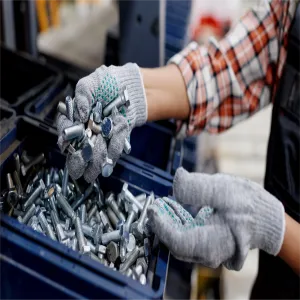
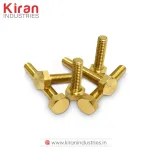
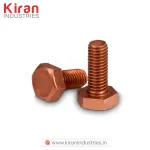
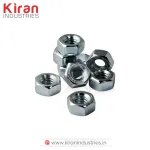
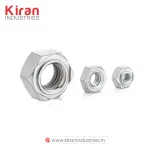
Walk into any fabrication shop. You'll spot them everywhere, small, hex-socketed, doing more work than their size suggests. That's the Allen Bolt for you. Most procurement teams treat fastener buying like an afterthought. Big mistake, honestly. One wrong grade, one mismatched thread, and the whole assembly line stalls. This guide walks through what actually matters when you're sourcing Allen Bolts for industrial use. So your next purchase order doesn't turn into a rework order.
Why does something this small deserve this much attention? Because scale changes everything. A loose fastener on a prototype? Minor fix. The same issue across a full production batch? That's a recall waiting to happen.
What Is an Allen Bolt?
An Allen Bolt is a cylindrical fastener. Driven by an internal hexagonal socket, not an external head. Engineers also call it a Socket Head Cap Screw, same thing, different name on different drawings. Unlike a standard hex bolt, you'll need a hex key or Allen wrench. No shortcuts. And that internal drive isn't just a design quirk, it lets the bolt sit flush or recessed. Which matters once space gets tight.
So these count as precision Industrial Fasteners. Built for load-bearing joints, meant for spots where space is limited and torque control isn't optional. Ask any draftsman why they like this design. The head tucks inside a counterbore, machinery looks cleaner, and nothing snags on cables or moving parts nearby.
Why Is It Important?
Fastener failure isn't usually dramatic. It's quiet. It shows up months later as vibration, misalignment, or a machine that just won't hold tolerance anymore. Get the Allen Bolts right upfront, and you save yourself downtime later. Here's why this decision matters more than buyers think:
- A mismatched grade under dynamic load? It can shear without any warning at all.
- Corrosion-prone environments need the correct plating or steel grade. Not just a generic pick off the shelf.
- Torque specs differ across head styles. Get the wrong bolt, and your assembly calculations are off.
- Rework on an assembly line almost always costs more than the fastener itself did.
- Safety-critical joints, machine guarding, structural brackets, these can't afford a guessing game.
Types and Variants
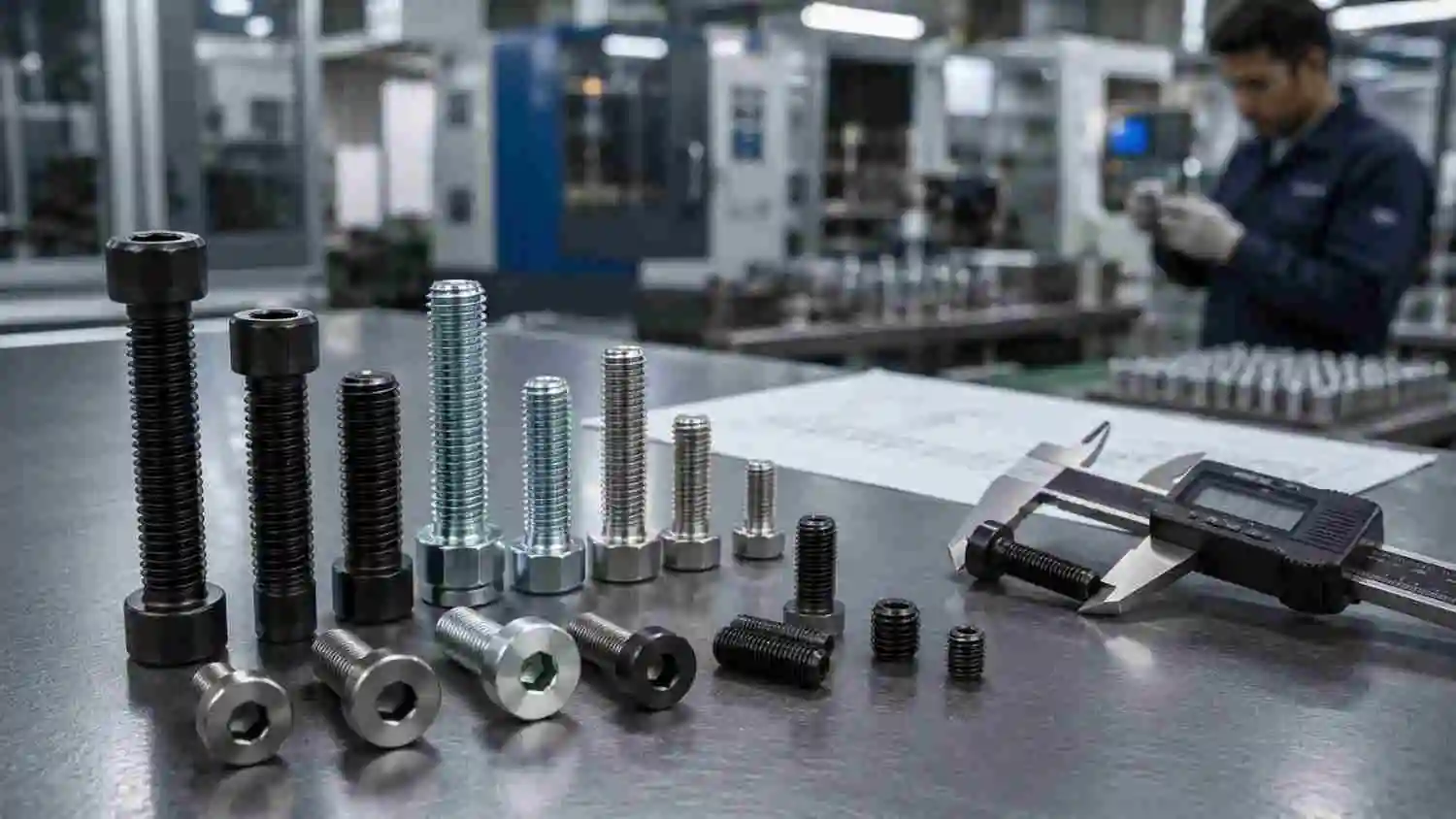
Not all Socket Head Bolts behave the same way. Buyers should know the common variants before locking in a spec:
- Standard Socket Head Cap Screws – cylindrical head, full strength, the go-to option most of the time.
- Flat Head Allen Bolts – conical underhead, sits flush once installed, good where the surface finish needs to look clean.
- Low Head or Button Head variants – shorter head height, useful when clearance is tight.
- Grub Screws – fully threaded, no head at all, used to lock one part against another.
- Shoulder screws – a precision-ground shank, meant for pivoting or locating jobs.
All of these sit under the broader umbrella of Allen Fasteners. Which one you pick depends on the joint design. Not habit. Not whatever got ordered last time.
Features to Look For
Before signing off on a purchase order, run through this checklist:
- Material grade. Alloy steel works for high-tensile jobs; stainless steel (SS 304 or SS 316) is the call when corrosion resistance isn't negotiable.
- Thread specification – confirm the diameter, the pitch, and whether it's coarse or fine.
- Length, measured correctly. Under the head for socket types, not the overall length.
- Surface finish – black oxide, zinc plating, or a bright finish, depending on what it'll be exposed to.
- Head style compatibility. Does your equipment design actually call for standard, flat, or low head?
- Standards compliance – DIN 912 and ISO 4762 are what most drawings reference.
Miss even one of these, and you end up with a batch that technically fits but performs poorly once it's under real load.
DID YOU KNOW? That internal hex socket isn't just neat design, it packs in far more tightening torque than most external-drive fasteners could ever manage in the same tight footprint.
Product Overview
Kiran Industries manufactures a wide range of Allen Bolts and related Socket Head Cap Screws, covering standard, flat head, and low head variants across alloy and stainless steel grades. As an established Allen Bolt Manufacturer, the focus stays on consistent thread tolerance and material traceability, batch after batch. So engineering teams can specify with confidence instead of guessing.
FACT: DIN 912 is still the most referenced standard for socket head cap screw dimensions worldwide.
Benefits of Choosing the Right Allen Bolts
Some of the benefits are:
- Superior clamping force, compared to a lot of external-drive fasteners of the same size.
- A compact head profile. Saves space in dense assemblies.
- Less risk of cam-out during installation. The hex drive just grips better than a slotted or Phillips head does.
- Better torque control, and that means more predictable joint performance.
- Wide material and grade availability, so one supplier can usually cover a whole project.
- Longer service life, when the plating and grade actually suit the environment.
Applications Across Industries
These fasteners aren't niche. You'll find Allen Bolts wherever tight tolerances and a clean finish matter:
- Automotive assembly and engine components
- Machine tools and precision equipment housings
- Furniture hardware, especially modular and knock-down designs
- Electrical enclosures and panel assembly
- Hydraulic and pneumatic equipment mounting
- Renewable energy setups, solar mounting structures included
TRIVIA: The name “Allen” comes from the Allen Manufacturing Company, an early maker of hex-socket screws in the US.
Comparison at a Glance
Understand the product better through the comparison table:
| Head Style |
Best Suited For |
Key Advantage |
| Standard Socket Head |
General-purpose industrial assembly |
High tensile strength, widely available |
| Flat Head (Countersunk) |
Flush-mount applications |
Clean, snag-free finish |
| Low Head / Button Head |
Clearance-restricted fittings |
Reduced head height for tight spaces |
| Grub Screw |
Locking collars and pulleys |
Headless, sits fully within the bore |
| Shoulder Screw |
Pivot points and locating fixtures |
Precision-ground shank for smooth motion |
Expert Tips for Industrial Buyers
Here are some expert tips and a buying guide:
- Cross-check the drawing's callout against the actual DIN or ISO standard. Always, before ordering, not after.
- Ask for a material test certificate. Especially on structural or safety-critical joints.
- Don't assume every one of the Allen Bolts Suppliers in India holds the same tolerance standards. Get a sample batch first.
- Factor in plating thickness while calculating thread engagement. Coatings tighten clearances more than people expect.
- Build a relationship with reliable Allen Bolts Dealers in India. Someone who can support repeat orders without lead-time surprises.
- New vendor on the radar? Don't jump to bulk. Order a small trial batch first and see how it holds up.
About Kiran Industries
Kiran Industries was started in 1985 and it is located in Rajkot, Gujarat and is a reputed manufacturer of industrial fasteners including bolts, nuts and customized fastening solutions. The company has been serving different industries such as automotive, construction, aerospace and engineering with more than forty years of experience. It is known to be highly quality oriented with a high level of manufacturing plants, internal testing laboratories and ISO certified processes. Kiran Industries focuses on accuracy, longevity and reliability of its products at the same time delivering customer satisfaction and timely delivery. Its innovation and adherence to international standards have contributed to developing long-term trust and a good reputation in the fasteners sector.
Conclusion
Buying Allen Bolts isn't really about matching a size on a drawing. It's about understanding load conditions, environment, whatever standard the equipment demands. Nail the spec, and these small fasteners will quietly hold entire assemblies together for years. Get it wrong, well, you'll be placing a reorder sooner than you'd like. That's usually where an experienced Allen Bolt Manufacturer earns its keep, taking the guesswork off your desk.
|
Need dependable Allen Bolts for your next build? Reach out to Kiran Industries, precision-engineered fasteners, and decades of manufacturing know-how behind every batch.
|