A straight-talking look at hexagonal nuts - the types, the grades, and where each one actually earns its keep.
Nobody talks about hex nuts at parties. But go find the one holding a critical joint together and you'll see real fast why they're everywhere - in machine shops, on job sites, tucked into gearboxes nobody opens twice. So here's what we're covering: what this fastener does, the types you'll run into on the job, how grading changes what it can handle, and roughly which one fits where.
What Is a Hex Nut?
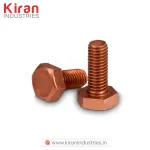
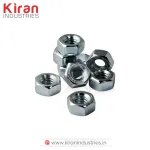
Forget the spec-sheet language for a second. A Hex Nut is a six-sided ring, threaded on the inside, made to thread onto a bolt or a stud - that's really it. Spin it down and it draws the two parts together until they're locked tight against each other. Why six sides and not four? A hexagon leaves a spanner enough flat faces to grab hold of without needing a big swing, which matters a lot when you're reaching into a cramped panel or a tight machine bay. That single detail is basically why the shape took over construction sites, automotive lines, machine shops, and electrical panels alike.
Why Does It Matter So Much?
Here's the thing about joints - they're only as good as whatever is holding them shut. A hex nut does that job by turning the twisting force of a spanner into steady, constant clamping pressure. Skip on quality here and you're asking for trouble: vibration works nuts loose, temperature swings stress the threads, and a cheap or wrongly graded nut can fail exactly when you need it not to. Picking the right type, material and grade is part of doing the engineering properly, not an afterthought.
Types and Variants Worth Knowing
Different jobs need different nuts, and manufacturers have built variants around that reality over the years.
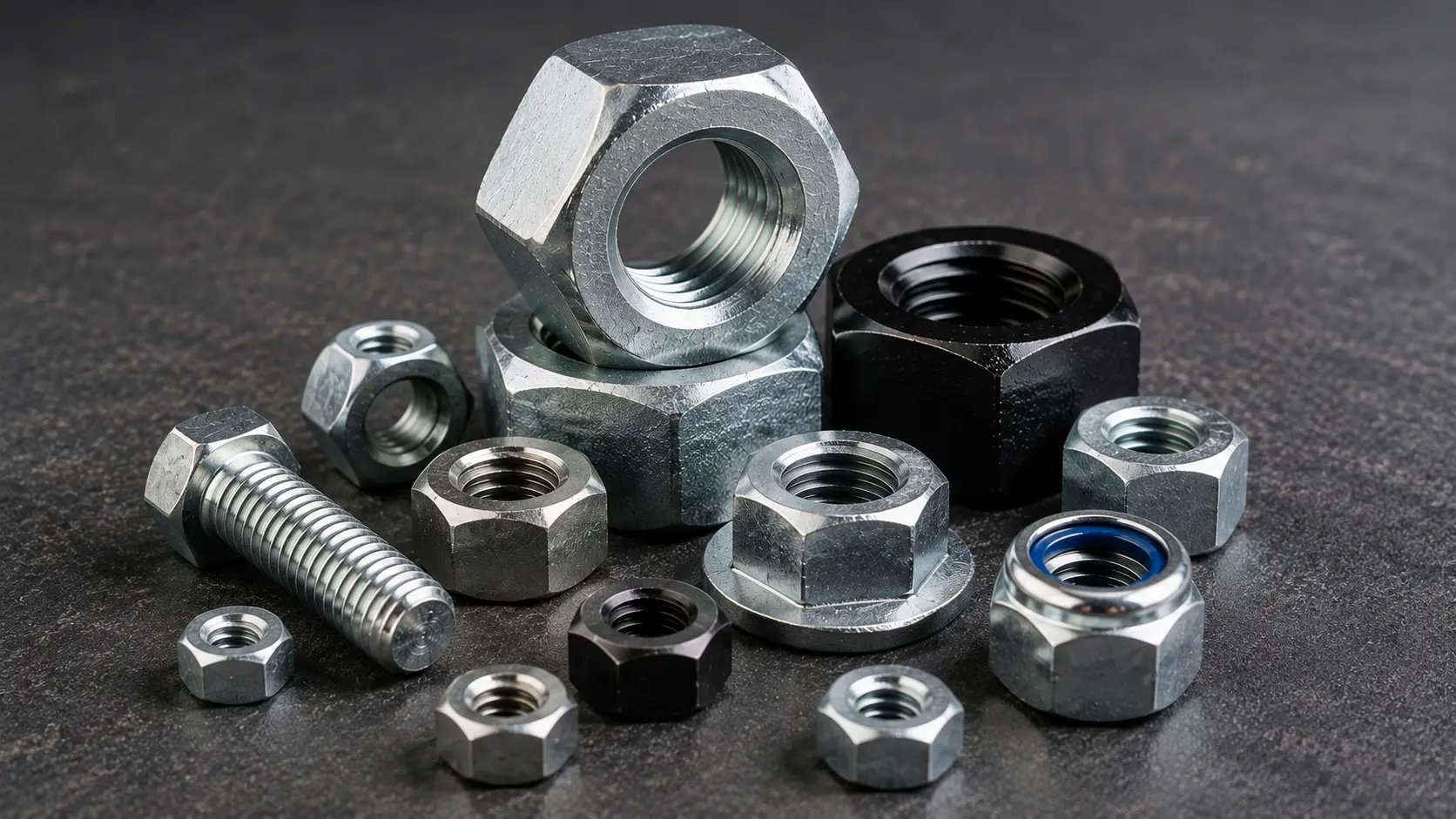
- A Standard Hex Nut covers most general-purpose work - the one you'll reach for nine times out of ten.
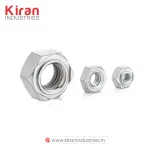
- Heavy Hex Nut versions are chunkier across the flats and thicker top to bottom, meant for structural steel, bridge work, and heavy equipment where loads are bigger.
- Nylon insert lock nuts carry a plastic ring inside that grips the bolt threads and stops them backing out under vibration - vehicles and rotating machinery rely on these constantly.
- Flange nuts come with a built-in washer-style base, spreading the load and keeping the surface underneath from getting chewed up.
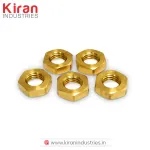
- Then there are jam nuts - thin, low-profile, usually run up against a standard nut just to lock everything in place.
What Should You Actually Check For?
Picking a fastener off a shelf without checking a few things is how joints fail later. A few points worth confirming before you buy:
- Thread match matters more than people think - metric, UNC, UNF, whatever it is, get it wrong and you'll strip the threads within a few turns.
- Material choice depends on where the nut is going. Carbon steel is fine for general work, but Stainless Steel Hex Nuts earn their keep in anything coastal, outdoor, or exposed to moisture.
- Coatings like zinc plating, black oxide or hot-dip galvanizing aren't cosmetic - they buy extra years of life in rough conditions.
- Hex Nut Sizes run from tiny M3 fasteners for electronics right up to M64 for heavy structural work, and the size always has to track the bolt it's paired with.
- Hardness and tensile figures tell you how much abuse the nut can take before it gives up.
How Are They Actually Made?
Most manufacturers start with cold or hot forging, move into thread tapping, then run a heat treatment pass to hit the required strength grade. After that comes finishing - zinc, galvanising, black oxide, whatever suits the end use - followed by checks on dimensions, thread accuracy, hardness and mechanical performance. If you're buying in volume, it's worth asking to see documented Hex Nut Specifications against ISO, DIN or ASTM benchmarks rather than taking someone's word for it.
Where the Advantages Really Show
Here are the advantages of hex nuts:
- Quick to fit and remove with tools already in most toolboxes
- Works across a huge range of standard bolt sizes
- Available with finishes built for outdoor exposure
- Cheaper than welding for joints needing future servicing
- Reusable and recyclable
Where You'll Actually Find Them
Here are the applications and usage of hex nuts:
- Construction: steel frames, transmission towers, shed structures
- Vehicles: engine mounts, suspension components, wheel hubs
- Machinery: pumps, compressors, conveyors, fabrication rigs
- Electrical: switchgear panels, earthing points, transformer fixtures
- Farms and homes too - tractor parts, irrigation lines, the odd furniture build, gate hinges and hardware
|
TRIVIA
A square nut needs a full 90-degree swing before the wrench catches again. A hex nut only asks for 60. Doesn't sound like much, but in a cramped spot, it's the whole difference.
|
Quick Comparison
Here is the quick comparison table below:
| Nut Type |
Best Suited For |
Key Advantage |
| Standard Hex Nut |
General assembly and repair work |
Widely available and easy to use |
| Heavy Hex Nut |
Structural and heavy machinery loads |
Higher load-bearing capacity |
| Nylon Insert Lock Nut |
Vibrating equipment and vehicles |
Resists self-loosening |
| Flange Nut |
Applications needing surface protection |
Even pressure distribution |
| Jam Nut |
Locking arrangements |
Stops the main nut shifting |
|
DID YOU KNOW?
Nuts are graded from 4 up through 12 - and generally, the bigger that number, the more tensile strength you're getting for demanding jobs.
|
A Few Buying Tips Worth Remembering
Here are the expert guide and buying tips before purchasing a hex nut:
- Match the thread pitch and size to the bolt exactly - close enough doesn't cut it here.
- Think about where the nut will live. Damp, salty or chemical-heavy environments call for stainless or coated options, not plain carbon steel.
- If vibration is part of the picture - engines, moving machinery - go with a lock nut or nyloc rather than a plain one.
- Ask for compliance paperwork and Hex Nut Specifications before placing a bulk order; a five-minute check that saves a lot of grief later.
- Stick with suppliers who can hand over tested records for hardness and tensile strength rather than just a verbal assurance.
|
FACT
One nut, torqued incorrectly, can be enough to bring down an entire mechanical joint - which is exactly why grading standards and thread precision aren't optional extras.
|
Who You're Buying From Matters Too
Working with solid Hex Nut Manufacturers in India gets you consistent batches, proper paperwork, and supply that doesn't dry up mid-project. Smaller outfits and contractors often do better going through Hex Nuts Dealers in India, since that route means getting the exact sizes needed without committing to bulk minimums. For bigger jobs, going through established Hex Nuts Wholesalers in India tends to keep inventory steady and specifications consistent across every batch.
About Kiran Industries
Kiran Industries was started in 1985 and it is located in Rajkot, Gujarat and is a reputed manufacturer of industrial fasteners including bolts, nuts and customized fastening solutions. The company has been serving different industries such as automotive, construction, aerospace and engineering with more than forty years of experience. It is known to be highly quality oriented with a high level of manufacturing plants, internal testing laboratories and ISO certified processes. Kiran Industries focuses on accuracy, longevity and reliability of its products at the same time delivering customer satisfaction and timely delivery. Its innovation and adherence to international standards have contributed to developing long-term trust and a good reputation in the fasteners sector.’
Wrapping It Up
Circuit board bracket or bridge girder, doesn't matter - the hex nut turns up because it does the job. Knowing which type to reach for, how the grading works, and where each variant belongs changes how safe a joint is and how long it lasts. Nail the material, the coating, and the grade, and the nut will likely outlast whatever it's holding together. Kiran Industries has been doing this long enough to know where those details matter, building fasteners on tested processes with quality that holds up across projects big and small.
| Get in touch with our team for specifications, certification details, and bulk supply support whenever you're ready. Contact Us Now! |