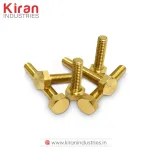
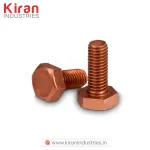
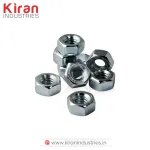
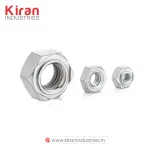
Pick up any hex bolt and you'll notice something's missing right under the head - a washer, usually, sitting loose until someone remembers to add it. Flange bolts skip that step. The washer's built right in, forged as a wide collar under the head, and that one small change fixes a surprising number of headaches on the assembly line. If you've been Googling flange bolt manufacturers or trying to shortlist Flange Bolt Suppliers, here's what actually matters before you commit to an order.
Most buyers learn this the hard way. Wrong grade, wrong coating, and six months later a fabricator is calling about bolts working loose. It's rarely the fastener's fault - it's usually a spec that got skipped during sourcing. A few extra minutes checking the datasheet up front saves a lot of back-and-forth with the supplier later, and it saves the line from an unplanned stop nobody budgeted for.
What Is a Flange Bolt?
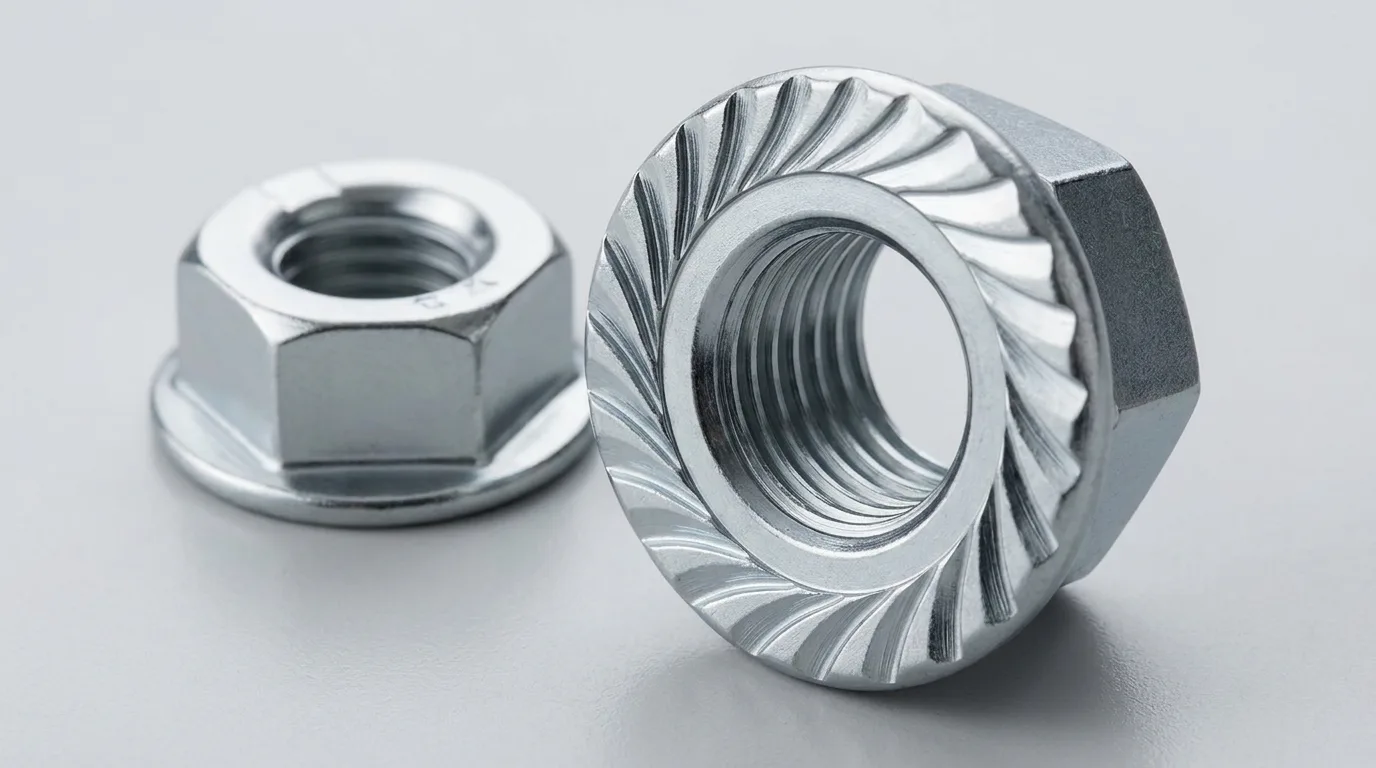
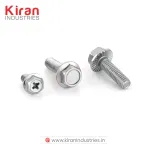
Strip it down to basics: a Flange Bolt has a circular flange forged directly beneath the head. No separate washer, no extra part to lose on the shop floor. One piece does the job of two.
What that gets you:
- A bigger footprint under the head, so clamping force spreads out instead of digging into one spot
- Less chance of marring soft or coated surfaces
- A joint that resists backing out under vibration
- One less loose component floating around during assembly
Why Is It Important?
Here's the thing about vibration - it never announces itself until something's already loose. Engines shake. Conveyors shake. Pumps, machinery mounts, farm equipment - all of it vibrates constantly during operation, and a bolt that backs out even slightly can take down a whole line. The flange grips more surface, so it holds tighter, longer. That's the entire reason serrated flange bolts show up so often on automotive engines and heavy machinery.
There's a quieter benefit too. Drop the washer from the parts list and you've cut handling time across a production run - fewer pieces to track, fewer pieces to lose. Anyone who's chased a missing washer across a factory floor at 5pm knows why that matters. Maintenance teams feel it too, since a field repair with one less loose part is one less thing that goes wrong mid-job.
Types of Flange Bolts
Not all flange bolts are built the same, and picking blind rarely ends well.
- Hex Flange Bolt - the everyday pick. Hex head, flange built in, fine for general assembly.
- Then there's the Serrated Flange Bolt: ridges bite into the mating surface, useful where vibration never stops.
- Protecting painted or coated parts? Go Non-Serrated - smoother underside, less scratching.
- DIN 6921 Flange Bolts follow European dimensional standards, common on automotive and machinery contracts.
- For outdoors, marine, or chemical exposure, stainless or alloy steel versions hold up longer.
People searching for Flange Bolt Types usually end up asking about grade too. 8.8, 10.9, 12.9 - the higher the number, the more load it's rated to carry.
Features to Look For
Before you sign off on an order, run through this list:
- Material matters first - carbon steel, stainless, or alloy, matched to load and environment.
- Finish comes next: zinc plating, hot-dip galvanising, black oxide, whichever suits the exposure.
- Check compliance against the drawing - if it calls for din 6921 flange bolts, the spec sheet needs to say so.
- Don't guess the length. Pull out the flange bolt length charts before ordering; wrong thread length means unusable stock.
- Grade stamps on the head should still be legible, not worn smooth from tumbling.
|
FACT
Serrated flange bolts hold torque noticeably longer than plain hex bolts running without a washer, under cyclic vibration testing.
|
Product Overview
A Flange Nut Bolt set pairs the bolt with a matching flanged nut, so both sides of the joint get that same wide bearing surface. You'll see this combo in chassis work, pipe supports, machine bases - anywhere a plain washer would otherwise be needed twice. Good Flange Bolt Dealers keep these stocked as matched sets, plus mixed packs for maintenance crews juggling different equipment. It's a small thing, but ordering a matched set instead of piecing one together saves a trip back to the supplier when the nut doesn't quite sit right.
Benefits
- No separate washer to source, track, or lose
- Load spreads evenly instead of concentrating under the head
- Holds up better against vibration-driven loosening
- Fewer SKUs to manage in inventory
- Works across light panels and heavy structural joints alike
Applications and Use Cases
- Automotive engines, transmissions, suspension mounts
- Machinery bases and conveyor frames
- Steel framing and railings on construction sites
- Farm equipment that vibrates constantly
- Piping and flange assemblies in process plants
- Switchgear and electrical enclosures needing a stable hold
Price rarely decides these calls. It's vibration exposure, expected service life, how often the equipment gets serviced - those factors settle the grade and finish combination, not the invoice.
Comparison: Flange Bolt vs Standard Hex Bolt
|
Aspect
|
Flange Bolt
|
Standard Hex Bolt
|
|
Washer needed
|
Built in, none required
|
Usually a separate washer
|
|
Load spread
|
Wide, even
|
Concentrated under head
|
|
Vibration resistance
|
Higher, especially serrated types
|
Lower, needs added locking hardware
|
|
Assembly speed
|
Faster, fewer parts
|
Slower, more pieces to handle
|
|
Surface protection
|
Less marring on soft materials
|
Higher risk without a washer
|
Expert Tips and Buying Guide
- Match grade to actual load - don't just eyeball the joint size
- Ask Flange Bolt Suppliers for mill test certificates on anything structural
- Buying in bulk? Compare rates from Flange Bolts Wholesalers instead of paying single-piece retail
- Keep a size chart handy - a query like 1150 flange bolt size usually points to one specific thread-and-length combo tied to a particular equipment line
- Confirm the coating before anything goes outdoors or near saltwater
|
TRIVIA
The built-in collar caught on fast in automotive manufacturing - skipping one loose washer per bolt, across millions of units, added up to real savings.
|
Kiran Industries
Kiran Industries was started in 1985 and it is located in Rajkot, Gujarat and is a reputed manufacturer of industrial fasteners including bolts, nuts and customized fastening solutions. The company has been serving different industries such as automotive, construction, aerospace and engineering with more than forty years of experience. It is known to be highly quality oriented with a high level of manufacturing plants, internal testing laboratories and ISO certified processes. Kiran Industries focuses on accuracy, longevity and reliability of its products at the same time delivering customer satisfaction and timely delivery. Its innovation and adherence to international standards have contributed to developing long-term trust and a good reputation in the fasteners sector.
Conclusion
A flange bolt isn't really a flashy upgrade - it's a small design fix that solves real problems: vibration, assembly speed, uneven load. Check the grade, check the Flange Bolt Length Charts against your joint spec, and you'll skip the rework that comes from guessing. Source from established Flange Bolt Manufacturers, confirm your Flange Bolts and Nuts meet the standard your project needs, and the rest takes care of itself.
Need Flange Bolts and Nuts for an upcoming project? Talk to the trusted industrial fastener suppliers for grade-verified stock and dependable bulk availability. Contact with Kiran Industries today.