Choosing the correct fastener is not always simple when a small box may be represented by a jumble of numbers and letters, along with certain technical data. For the consumer who is acquiring Flange Nuts, the following is a brief explanation of what the markup on a label can identify.
Learning how to read a label applies whether you're purchasing at the hardware store, ordering a Flange Nut Box wholesale, or shopping for Flange Nut online.
Before we proceed, here are some of the more common numbers printed on the label of the flange nut and how they correspond to the bolt.
What Are Flange Nuts?
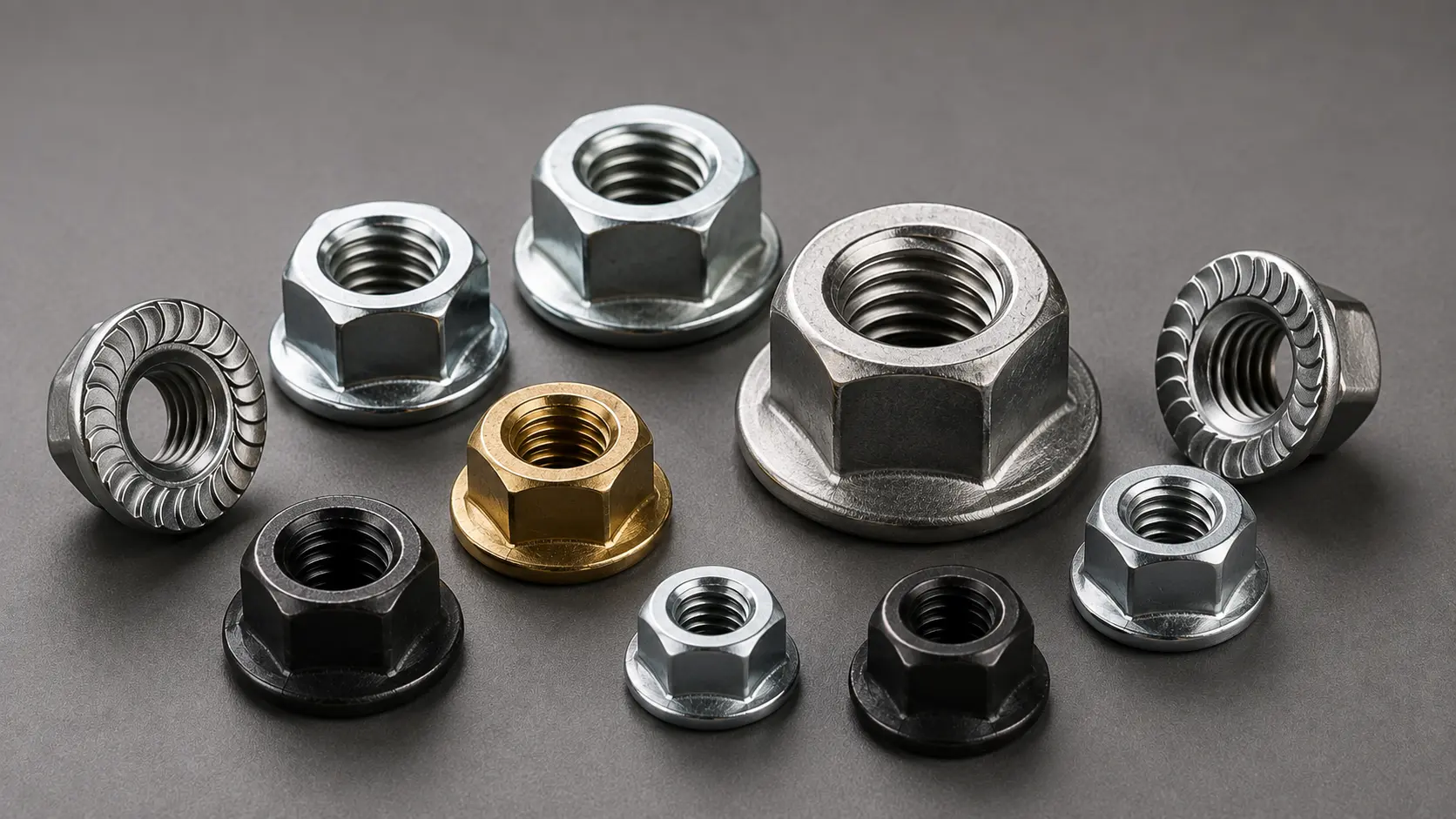
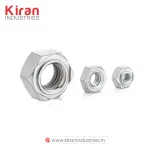
Flange Nuts: Hexagonally shaped nut with a flange at its inferior end. The flange acts as a washer that spreads the load over a wide area.
This type of design can make certain flange nuts easy for automotive, machine, fabrication, construction and industrial usage. The flange nuts can be produced from steel, stainless steel, alloy steel, brass, and so on according to differ usage.
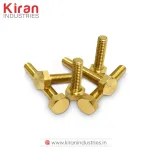
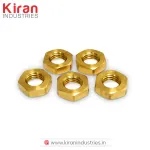
A brass flange nut, one might think, would be selected to satisfy particular corrosion, electrical, or cosmetic demands.
Why Should You Read the Flange Nut Label?
A flange nut might be easy to spot, but the details will specify if it is the correct one for the assembly. Selecting a nut by eye or approximate size will lead to poor thread engagement, lack of clamp, and possible damage.
A typical label may provide information about:
- Thread diameter
- Thread pitch
- Material
- Property class
- Surface finish
- Manufacturing standard
- Quantity
- Product identification
Knowing about these characteristics is invaluable when buying in bulk from a Flange Nut supplier, Flange Nut Manufacturer, or dealer.
Understanding Flange Nut Numbers
Know flange nut number in better sense:
1. Nominal Diameter
M is the designation used to denote metric dimensions; the number following this letter is normally the nominal diameter of the metric thread.
For example:
- M6 – 6 mm diameter thread.
- M8 – approximately 8 mm in diameter thread
- M10 – approx 10 mm threaded diameter
- M12 – approximately 12mm thread diameter.
Thus, an M10 flange nut is suitable for use with a matching M10 threaded bolt.
But that is not enough, as you have to check the thread pitch too.
2. Thread Pitch
The thread pitch is the distance between the threads measured anywhere parallel to the axis.
For example, an M10 × 1.5 flange nut has:
- 10 mm nominal diameter.10mm nominal diameter...
- 1.5 mm thread pitch; 2.62 mm pitch; 0.64 pitch. The thread pitch refers to the distance between adjacent threads measured parallel to the axis.
Nut and bolt must have the same threads for a threaded fastener of given diameter; thread pitch is not interchangeable.
Always check the pitch before purchasing a flange nut bolt combination or a flange bolt and nuts assembly.
3. Property Class
A further significant identification is the strength or property class of the nut. Consider the metric fasteners, which could be: 8, 10, 12, etc.
These figures give details of the mechanical properties of the nut. The higher the property class, the generally stronger. However, the nut should always be chosen on the basis of the whole assembly.
Strength should be considered along with the bolt grade, load, temperature, vibration, and working environment.
Common Information on a Flange Nut Label
Here is the common information on a flange nut label:
| Label Marking |
Meaning |
Example |
| M8 |
Nominal diameter |
8 mm |
| 1.25 |
Thread pitch |
1.25 mm |
| 8 |
Property class |
Class 8 |
| Steel |
Material |
Carbon steel |
| Zinc plated |
Surface finish |
Corrosion protection |
| DIN/ISO |
Standard |
Manufacturing specification |
| 100 pcs |
Quantity |
Box contents |
The markings will not be exactly the same on every product or manufacturer, so check the supplier's technical data if required.
Metric and Imperial Flange Nuts
One of the most common errors is interchangeability between metric and imperial fasteners. Most metric products will be designated M and the imperial fasteners are normally designated with inch dimensions and threads per inch (TPI).
For instance, the above should be used with the M8 flange nut. An M8 BSW bolt should not be used instead because it only matches the size of the M8 nut.
Using mismatched threads implies physical damage to elements and may affect the strength of the connection.
If doubtful about the size, then contact a professional Flange Nut supplier before making the purchase.
How to Match a Flange Nut With a Bolt
Proper number of matches. Proper matching is key to a safe connection. Before buying it, the specifications should be tested:
- Diameter: Has to be the same in the nut and bolt, with the same nominal diameter.
- Thread pitch: The pitch of the threads is equal.
- Thread system: Verify the fasteners are metric or imperial
- Material: Select materials for use in their operating environment.
- Strength: Make sure the strength ratings of the bolt and nut are not too high.
- Flange size: Confirm that the flange has sufficient surface area.
- Finish: Finish as appropriate with corrosion protection where necessary.
These checks are particularly critical when dealing with machinery, car builds, and industry.
What Are Flange Nut Uses?
The integral flange makes these nuts appropriate for many applications. Typical applications for flange nuts are:
- Automotive components
- Industrial machinery
- Agricultural equipment
- Construction equipment
- Sheet-metal assemblies
- Fabrication work
- Electrical equipment
- General engineering
- Upkeep and fixes.
The flange is a means for transferring the tightening force across a larger area and in appropriate circumstances, could eliminate the need for a separate washer.
Choosing the Right Flange Nut Manufacturer
Equally important is the ability to a trust worthy source after understanding the label. A good Flange Nut Manufacturer is able to state the specific details of the product such as dimensions, material, standards, etc.
If a company is purchasing in large quantities, then it may pay to search for the Flange Nut supplier, wholesaler, or dealer using the following groupings:
- Product quality
- Size availability
- Material options
- Manufacturing consistency
- Packaging
- Delivery capability
- Technical support
For businesses that are directly looking for Indian sources, they are using some wording like Flange Nuts Manufacturers in India, Flange Nuts Suppliers in India, Flange Nuts Dealers in India, Flange Nuts Wholesalers in India. etc during their research for the suppliers.
Tips for Checking a Flange Nut Box4/88885
Please inspect the packaging label before using or ordering a Flange Nut Box.
Check:
- Thread diameter
- Thread pitch
- Identification of metric or imperial
- Material
- Property class
- Surface finish
- Applicable standard
- Quantity
- Product dimensions
- To fit your bolt.
Please unsure if any marking seems to be ambiguous; do not guess. Please enquiries your supplier for the product specification or technical datasheet.
Why Correct Identification Matters
Incorrect use of a flange nut can cause cross-threading, joint failure, thread stripping and failure, loose joints, and damage to the joint. Correct fastener usage is crucial in vibrating or heavily loaded applications.
The right Flange Nut online listing should give some dimensions, material, thread specifications, and standards. Don't only compare suppliers by price; ensure the product is suitable for the application.
Kiran Industries
Kiran Industries was started in 1985 and it is located in Rajkot, Gujarat and is a reputed manufacturer of industrial fasteners including bolts, nuts and customized fastening solutions. The company has been serving different industries such as automotive, construction, aerospace and engineering with more than forty years of experience. It is known to be highly quality oriented with a high level of manufacturing plants, internal testing laboratories and ISO certified processes. Kiran Industries focuses on accuracy, longevity and reliability of its products at the same time delivering customer satisfaction and timely delivery. Its innovation and adherence to international standards have contributed to developing long-term trust and a good reputation in the fasteners sector.’
Conclusion
Once you know what the numbers mean, reading the hardware store label becomes much easier. All the specifications, including diameter, thread pitch, property class, material, finish, and standards, can help you decide if a flange nut is suitable for your application.
If ordering a standard type of steel product or the hard-to-find specialty fasteners made of stainless steel, or a brass flange nut, be sure to select the nut precisely corresponding to the bolt and work conditions.
By recognizing these marks, you will be able to buy from a trustworthy Flange Nut Manufacturer, supplier, dealer, and wholesaler and make much more informed decisions to get the most reliable, sound, and secure fastening.