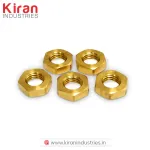
The weld nut is a small, simple looking part. However, a single bad weld nut can stop up a fixture or an entire shift. If a weld nut defects gets through the receiving inspection process, it will show up during welding or when trying to turn a bolt.
A few minutes of inspection before installation prevents that. Kiran Industries supplies industrial weld nuts to buyers who check every lot, and this guide shares those same checks in plain steps.
Here is what early inspection helps you avoid:
- Stripped or jammed bolts that halt the assembly station
- Welds that look fine on day one but fail under load later
- Rejected assemblies, extra sorting and late dispatch to your customer.
What Are Common Weld Nut Defects?
There are three types of issues: issues arising from the manufacturing process or machine work, problems due to incorrect dimensions whereby the part is no longer the same as what was drawn, and issues arising out of plating or improper handling/storage. Understanding these common weld nut defects helps one know where to start.
Common Weld Nut Defects and Their Inspection Methods
The table below describes some of the defects in weld nuts and the procedure for their detection.
| Weld Nut Defect |
Common Signs |
Inspection Method |
| Damaged Threads |
Bolt jams, turns unevenly or feels tight |
Check with a matching bolt and GO/NO-GO thread gauge |
| Incorrect Thread Pitch |
Bolt does not fit properly |
Verify thread pitch using a thread pitch gauge |
| Flattened Welding Projections |
Projections appear crushed or uneven |
Visual inspection and projection height measurement |
| Missing Projections |
One or more projections are broken or missing |
Check all projections under bright light |
| Dimensional Errors |
Incorrect height, flange thickness or across-flats size |
Measure using vernier calipers or a micrometer |
| Surface Cracks |
Visible cracks near corners or flange |
Visual inspection under bright light and magnification |
| Rust or Corrosion |
Rust spots or white corrosion on the surface |
Check surface condition and coating quality |
| Burrs and Metal Chips |
Sharp edges or loose particles inside threads |
Visual inspection and thread checking |
| Plating Damage |
Peeling, uneven coating or exposed base metal |
Inspect coating condition against purchase specifications |
| Deformed Nut Body |
Dents or uneven hexagonal sides |
Visual inspection and dimensional measurement |
Damaged or Incorrect Threads
The threads of any nut determine whether it will allow for tightening or retaining of the clamp load. Issues with weld nut thread defects include stripped or torn threads, improper pitch, and undersized threads.
Some indications to note when testing a sample are:
- The bolt turns hard or jams after a turn or two
- Pitch that looks right on paper but feels wrong in the hand
- Is the first thread incomplete, torn or missing altogether?
- Chips or burrs present within the threads of the hole
- Both result in inadequate engagement and loosened connections of bolts.
Uneven Welding Projections
Projection welding works because current gathers at small raised points. If they are flat or uneven, the weld suffers. Weld nut projection defects are easy to miss at a glance, so check the projections for these problems:
- Crushed or flattened tips caused by rough handling
- One corner sitting higher, so the nut rocks on the sheet
- Broken or missing projections on one or more corners
- Uneven spacing around the nut body
A weak weld, spatter or an off-centre nut is the usual result.
Dimensional Errors and Surface Damage
Kiran Industries treats size as seriously as thread quality. Weld nut dimensional defects cover wrong height, across-flats size, pilot diameter or flange thickness. Common visible faults include:
- Cracks near the flange or corners
- Burrs that scratch the sheet or stop the nut from seating
- Rust or white corrosion from poor plating or damp storage
- Dents or deformed hex sides
How to Inspect Weld Nuts Before Installation
The correct approach in carrying out the weld nut inspection process starts with the proper engineering drawings and purchase specifications. Conduct your inspection in the same sequence each time in order not to miss any step.
Visual and Dimensional Inspection
Kiran Industries recommends beginning with visual inspection of weld nuts under bright light. Look over the faces, flange edges and projections, then measure. These tools and habits help:
- Vernier calipers for overall height and across-flats size
- A micrometer for flange thickness and projection height
- A magnifier for hairline cracks and chipped projection tips
- Samples pulled from several cartons, not just the top layer of one
Thread Gauging and Material Verification
Proper weld nut thread inspection relies on GO/NO-GO gauges. The GO gauge should screw in freely through the full thread, while the NO-GO gauge should stay out beyond the standard’s limit. Then confirm the batch papers:
- Grade and property class printed on the packing label
- Mill test certificate matching the batch number
- Plating or coating type matching what the order names
- Quantity and lot number matching on carton and invoice
If papers and parts disagree, stop and ask before approving the lot.
Signs of Weld Nut Defects During Trial Installation
The trial installation process can be used to detect some of the defects in weld nuts that are not normally detectable in a simple visual examination. Before commencing full installation, test the sample weld nut using the designated bolt and installation method.
Here are some of the indications:
- Odd Tightening: The bolt is tight or gets stuck when installing.
- Misalignment: Poor alignment of the weld nut to the mating component.
- Problems in Seating: There are problems in seating of the nut.
- Problems in Thread Engagement: Problems with engagement between the bolt and the internal threads.
These might suggest problems such as damaged threads, variations in dimension or mispositioning of the weld nut. Nonetheless, a good fit of the bolt does not guarantee that the weld nut is appropriate for welding. The projection status and dimensional requirements should also be tested independently.
Should there be any sign of problem, halt the installation and check the part against the design drawings and specifications.
Weld Nut Quality Inspection Checklist
Kiran Industries suggests printing this weld nut inspection checklist and ticking every item for each lot:
- Threads: GO gauge passes freely, NO-GO gauge stops, no loose chips inside
- Projections: All present, equal in height, none flattened or chipped
- Dimensions: Height, across-flats and pilot size within drawing tolerance
- Material: Grade marking and test certificate match the order
- Surface: No cracks, rust, dents or peeling plating
- Documents: Batch number, quantity and inspection date recorded
TRIVIA: “Many weld nuts end up hidden behind trim panels, so one faulty piece can mean taking apart finished work.”
What to Do When Defective Weld Nuts Are Found
Act before the lot moves on. Identify the defective weld nuts, mark them, and segregate them from the usable ones. Communicate early to the vendor in order to come into agreement about the rejected items. Your record should include:
- Defect type and how many pieces show it
- Batch number and date of receipt
- Photos showing the fault, with the measurement or gauge result
Conclusion
Checking threads, projections, dimensions, and papers takes little time and saves a lot of rework. If you are looking for reliable components, then get in touch with Kiran Industries—we are weld nut manufacturers in India and also weld nut suppliers in India.