A practical look at the brass nut — what it is, where it holds up best, and how it is made with less metal going to waste
Talk to an electrician or someone who works on boat engines, and the Brass Nut comes up fast. Nothing fancy about it — it just holds up where plain steel gives in, shrugging off moisture and corrosion without needing a coating. Plumbers will tell you the same thing, usually before you finish asking.
There is more to the story than the finished part, though. How a brass nut gets machined matters too, and smarter cutting methods are quietly changing how much raw metal ends up as scrap on the factory floor, without anyone having to compromise on quality.
What Is a Brass Nut?
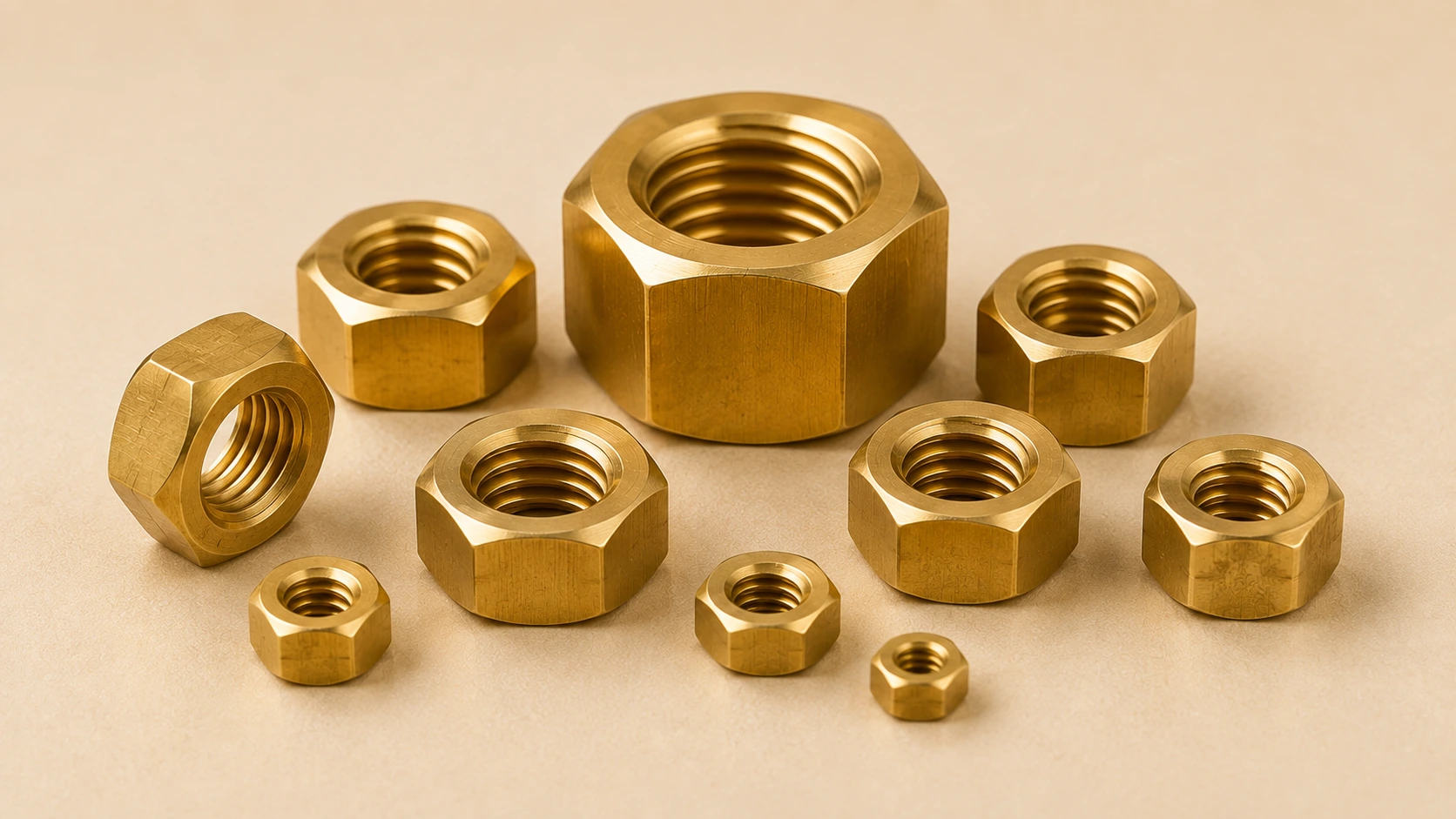
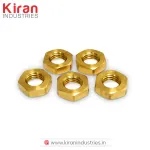
A brass nut, stripped down to basics, is an internally threaded fastener machined from a copper-zinc alloy. Thread it onto a bolt or screw and the joint holds — no rust creeping in, no sparking, no repaint job needed five years later.
Brass is softer than steel, and that works in its favour on the machine. Tools cut cleaner threads and last longer before they dull. Pull a brass nut straight off the line and set it next to a steel one — the brass version usually comes out the better-finished of the two.
Why Brass Nuts Matter
Steel fasteners are cheaper up front, sure, but they do not handle damp or salty air well unless you coat them, and coatings wear off eventually. Brass skips that problem entirely.
- Shrugs off rust, moisture, and salt spray without a protective coating
- Conducts electricity well, which matters in panels and earthing points
- Wont interfere with sensitive equipment since itis non-magnetic
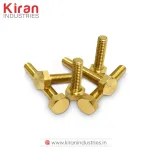
- Has that warm gold finish people actually want visible
- Threads cleanly, batch after batch, thanks to good machinability
Did You Know?: Brass does not spark when struck, unlike steel, which is one reason brass nuts and bolts turn up so often around fuel lines and live electrical gear.
Types of Brass Nuts
Not all brass nuts look the same, and a decent Brass nut manufacturer will usually stock a handful of variants:
- Hex brass nut, the everyday option most people picture
- Wing brass nut, no tools needed, just fingers
- Cap brass nut, hides the bolt end for a tidier look
- Knurled insert nut, presses into wood or plastic and stays put
- Flange brass nut, spreads the load over a wider surface
Features to Look For in a Brass Nut
Place an order and the manufacturers shortcuts show up fast, one way or another. Check these before committing to a bulk order:
- Threads that actually mate smoothly, not just close enough
- No burrs or rough edges left behind after machining
- The right alloy grade for what you are building
- Sizes that stay consistent from the first piece to the last
- Packaging that keeps tarnish off the parts in transit
Product Overview
Here are the detailed product overview for better understanding:
Brass Nut Range
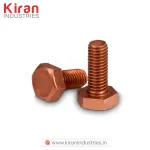
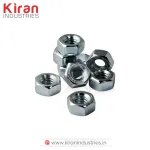
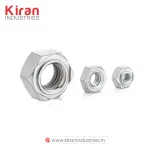
Kiran Industries makes Brass Nut, brass bolts, hex nut, weld nut, flange nut, and copper nut, among other things, with the kind of attention to finish that keeps buyers coming back. As a Brass components manufacturer, the range covers both standard sizes and custom specifications for construction, automotive, machinery, and electrical work — the sort of variety that saves a buyer from chasing three different suppliers for one project.
- Brass nut and brass bolts for jobs where conductivity and corrosion resistance matter
- Hex nut and flange nut where vibration is a concern
- Weld nut and copper nut for automotive and electrical assemblies
- Custom brass nut bolt sets built to OEM specifications
Benefits of Choosing Brass Nuts
Pick brass over steel and you are mostly buying peace of mind, especially for parts you wont see again once they are installed.
- Holds up outdoors or in damp spots for years without fuss
- Barely needs maintenance, no re-coating, no touch-ups
- Performs reliably in electrical and earthing setups
- Threads smoothly, so installation goes faster
- Fully recyclable, so it is not wasted once it is done its job
Applications and Use Cases
A brass nut bolt pairing shows up wherever corrosion resistance or conductivity actually counts, not just wherever it happens to look good:
- Electrical panels and switchgear
- Marine hardware and plumbing fittings
- Automotive wiring and connector assemblies
- Machinery that vibrates enough to loosen weaker fasteners
- Decorative hardware where the brass finish is part of the design
How Manufacturers Cut Down Waste
The brass nut is the main subject here, but how it gets made deserves a mention too. Smarter machining shapes the rod close to its final size on the first pass, rather than cutting away more than needed and dealing with the offcuts afterward.
- Near-net-shape forming to avoid removing more than necessary
- CNC turning programmed for accuracy, not just speed
- A closed-loop recycling system that pulls chips and swarf back into the process
- Tool-path software that plots the shortest, cleanest cut
None of this is just good PR, either. Less scrap means Eco-friendly manufacturing holds up in practice, not just on paper, and it nudges production toward genuine Industrial sustainability. Industrial fastener manufacturers who bother with this usually show it in consistency, not just in what they claim.
Brass Nut vs Other Nut Materials
Here are the difference between brass nut and other nut materials:
| Property |
Brass Nut |
Stainless Steel Nut |
Mild Steel Nut |
| Corrosion Resistance |
Excellent, naturally resistant |
Very good |
Poor without coating |
| Electrical Conductivity |
High |
Low |
Low |
| Magnetic Property |
Non-magnetic |
Often non-magnetic |
Magnetic |
| Weight |
Moderate |
Moderate to heavy |
Moderate |
| Typical Use |
Electrical, marine, decorative |
Structural, outdoor |
General structural |
Expert Tips and Buying Guide
What to Ask Before You Order
Before signing off on a bulk order from a Brass nut manufacturer, a short list of questions can save you a headache later:
- What alloy grade is actually being used, and can it be proven?
- Do the threads meet a recognised standard, or just close enough?
- What finishing options are available, plain, polished, or plated?
- Any certifications available for quality or compliance?
- Can a sample batch be sent before the full order ships?
About Kiran Industries
Kiran Industries was started in 1985 and it is located in Rajkot, Gujarat and is a reputed manufacturer of industrial fasteners including bolts, nuts and customized fastening solutions. The company has been serving different industries such as automotive, construction, aerospace and engineering with more than forty years of experience. It is known to be highly quality oriented with a high level of manufacturing plants, internal testing laboratories and ISO certified processes. Kiran Industries focuses on accuracy, longevity and reliability of its products at the same time delivering customer satisfaction and timely delivery. Its innovation and adherence to international standards have contributed to developing long-term trust and a good reputation in the fasteners sector.
Conclusion
A well-made Brass Nut is one of those parts nobody thinks about until it fails, and with brass, it usually does not. Between the properties of the metal and the way it is increasingly machined, this small fastener keeps earning its place in electrical, marine, automotive, and industrial work. As Industrial fastener manufacturers refine their processes, that reliability is not coming at the cost of wasted metal anymore, which is really the whole point.
| Need a dependable Brass nut manufacturer for your next order? Get in touch with Kiran Industries and lets talk specifics. Contact Us Now! |