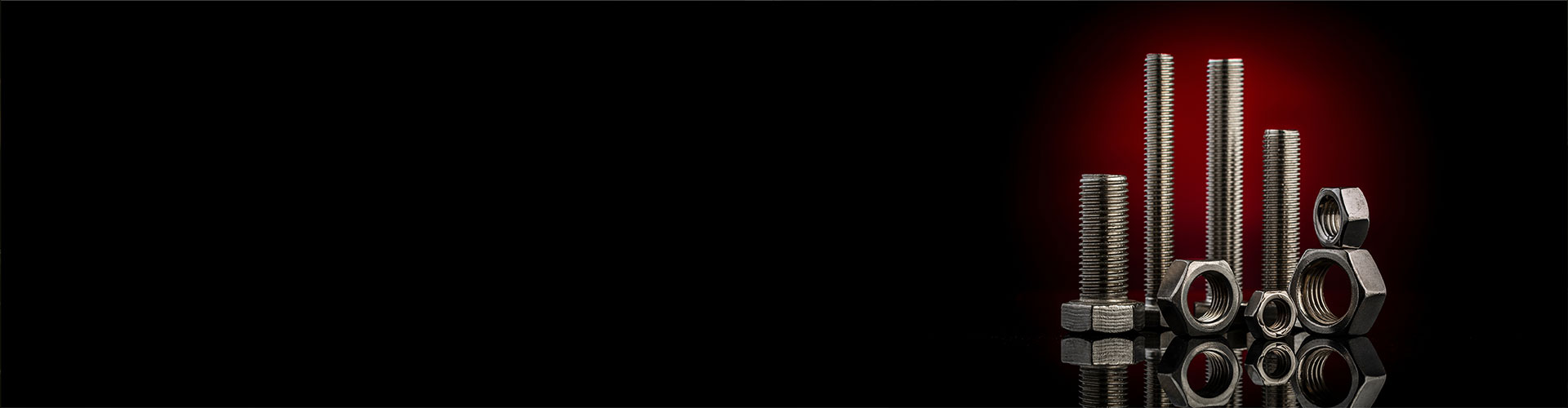
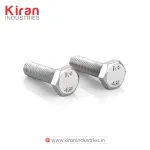
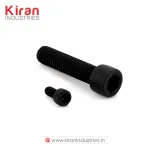
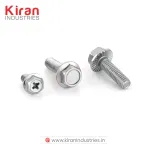
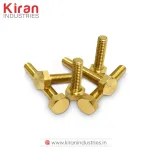
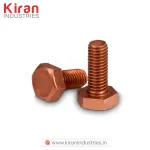
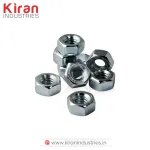
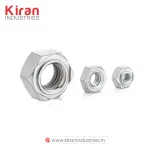
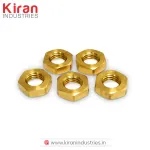
Walk into any fabrication shop. You'll spot both — sitting in parts bins, welded onto brackets, torqued down on flanges. Hex Nuts and Weld Nuts. They look like plain hardware, nothing special. They're not the same thing at all, though. Not even close, really.
Pick wrong and you're stuck with loosened joints, a failed weld, or a rework bill nobody wanted. So here's the breakdown — what separates these two Industrial Fasteners, where each one pulls its weight, and how to pick right without standing there guessing.
What Are Hex Nuts?
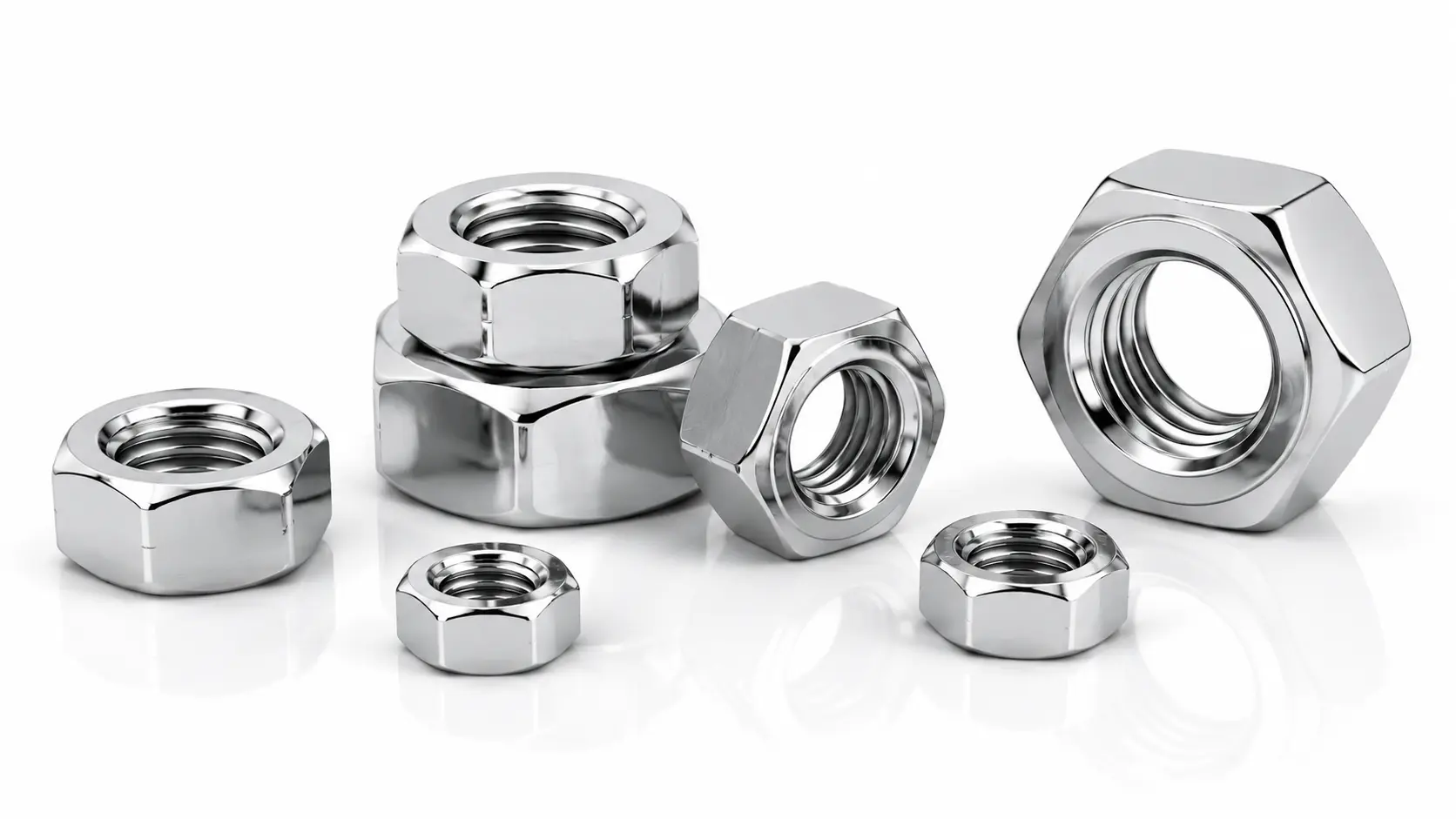
A Hex Nut is exactly what it sounds like. Six-sided. Threads onto a bolt or stud, clamps two parts together. Simple? Yes. Replaceable? Also yes — and honestly, that's the whole appeal.
- Six flat sides, built for a wrench or socket to grip properly
- Internally threaded, matched to standard bolt sizes
- Coarse or fine thread pitch, depending on the job
- Plain, zinc-plated, stainless — whatever the environment demands
Among Threaded Nuts, hex styles are still the go-to across almost every industry you can think of — automotive, construction, general machinery. Working with established Hex Nut Manufacturers in India usually gets you sizing that covers nearly any bolt diameter out there.
What Are Weld Nuts?
Now flip that logic entirely. A Weld Nut was never meant to come off. It becomes part of the metal it's attached to. No loose fastener riding on a bolt here — just a permanent threaded point, fused straight onto a sheet metal panel or frame.
- Fixed projections or pilot points made for spot-welding
- Backside access to the panel? Not needed
- No loose parts to lose mid-assembly
- Square, hex, flanged — several weld nut styles to pick from
A solid Weld Nut Manufacturer usually stocks more than one projection style. Makes sense — resistance, MIG, projection welding don't all behave the same once heat hits the metal.
Key Features of Both Fastener Types
Both sit under the wider umbrella of Mechanical Fasteners. But the engineering intent? Worlds apart.
- Hex Nuts — removable, reusable, torque-adjustable. Great wherever maintenance access matters
- Weld Nuts — permanent, vibration-resistant, built for blind-side work
- One relies on friction and thread grip; the other relies on the strength of the fused bond
- Both get manufactured as Precision Fasteners, tight tolerances, so thread fit stays consistent
- Weld Nuts often come with self-centering pilot points — small feature, saves real time on a busy line
Strip a few threads chasing the wrong nut once, and you start noticing these things fast.
Did You Know: Weld nuts came about largely for automotive assembly lines, back when bolting from both sides of a panel just wasn't practical.
Hex Nut Specifications vs. Weld Nut Specifications
Hex Nut Specifications usually point back to DIN 934, ISO 4032, or ASME B18.2.2 — thread pitch, width across flats, overall height. Weld Nut Specifications go a different route. DIN 929 and DIN 928 come up often, and the focus shifts to projection height, pilot hole diameter, flange thickness. Not wrench-grip dimensions at all.
Does that matter? It does. Order against the wrong spec sheet and you get a nut that won't weld clean or won't thread at all. A few Types of Hex Nuts worth knowing:
- Standard hex nuts — the everyday default
- Nylon insert lock nuts, for when vibration is a concern
- Jam nuts, thinner, used as a second locking nut
- Flange hex nuts — nut and washer, combined into one
Applications of Hex Nuts
Some of the applications are:
- Structural steel connections — buildings, bridges
- Automotive assembly, engine mounts, suspension parts
- Machinery serviced often needs nuts you can actually remove
- Electrical panel work, general MRO tasks
They're removable, so Hex Nuts turn up wherever a technician might need to take something apart down the line. Reliable Hex Nuts Suppliers in India tend to move bulk orders faster, too — these are among the highest-volume Industrial Nuts in any fastener catalogue, for good reason.
Applications of Weld Nuts
Some of the applications are:
- Sheet metal enclosures, electrical cabinets
- Automotive body panels, chassis brackets
- HVAC ductwork
- Furniture frames and appliance housings — limited access once it's all closed up
Weld Nuts solve one specific headache. No room to hold a nut steady from behind a panel? Weld it on first, thread the bolt later. Job done. Established Weld nuts Manufacturers in India generally make sure those projection welds survive vibration and repeated loading — not something you want to gamble on with a supplier you haven't vetted.
Comparison Table: Hex Nuts vs. Weld Nuts
Understand the difference between hex nuts and weld nuts:
| Aspect |
Hex Nuts |
Weld Nuts |
| Assembly Method |
Threaded manually or with hand tools |
Fused permanently onto the base metal via welding |
| Reusability |
Fully reusable and replaceable |
Not removable once welded in place |
| Access Requirement |
Needs access to both sides of the joint |
Works fine with blind-side panels |
| Vibration Resistance |
Moderate; improves with lock washers |
High due to the fused weld bond |
| Typical Material |
Carbon steel, stainless steel, brass |
Low-carbon steel, stainless steel |
| Best Suited For |
Maintenance-heavy assemblies |
Permanent sheet metal joints |
Trivia: That hex shape isn't random. Six sides give a wrench maximum grip while wasting less material than a square would.
Advantages and Limitations of Both
Hex Nuts: easy to find, easy to swap out, work with pretty much any standard bolt. The catch? They can work loose under constant vibration unless you're pairing them with a washer or thread-locker.
Weld Nuts: rock-solid once they're on, nothing loose to lose track of, perfect for blind assemblies. But there's no fixing a bad weld after the fact — misalign it and you're either scrapping the panel or grinding the nut off and starting over. Not fun.
Every fastener gives up one convenience to gain another. That's really just how it goes.
How to Choose the Right Nut for Your Application
A few questions first. Will this joint need servicing down the road? Go Hex Nuts. Is the back of the panel inaccessible once assembled? Then Weld Nuts, basically your only real option. Constant vibration involved — automotive, heavy machinery? Factor that into the fastener grade no matter which type wins out.
Expert Tips for Fastener Selection
Some of the expert tips are:
- Match the thread pitch exactly. Mismatched threads strip fast, and quietly
- Check the base metal is weld-compatible before you specify Weld Nuts
- High-vibration spot with Hex Nuts? Go nylon-insert or lock nut
- Outdoor exposure means checking coating compatibility first
- Ask for material certificates from any Weld Nut Manufacturer on structural jobs — always worth the extra step
Fact: Projection welding, the usual method for attaching weld nuts, finishes a single weld cycle in under a second.
About Kiran Industries
Kiran Industries was started in 1985 and it is located in Rajkot, Gujarat and is a reputed manufacturer of industrial fasteners including bolts, nuts and customized fastening solutions. The company has been serving different industries such as automotive, construction, aerospace and engineering with more than forty years of experience. It is known to be highly quality oriented with a high level of manufacturing plants, internal testing laboratories and ISO certified processes. Kiran Industries focuses on accuracy, longevity and reliability of its products at the same time delivering customer satisfaction and timely delivery. Its innovation and adherence to international standards have contributed to developing long-term trust and a good reputation in the fasteners sector.
Conclusion
Hex Nuts and Weld Nuts aren't rivals. They're tools for different jobs, plain and simple. One leans on flexibility and reuse. The other leans on permanence and blind-side strength. Know which one your project actually needs, and you save time, cut rework, and skip a fair bit of frustration on the shop floor.
Speccing Threaded Nuts for a build that'll need servicing later, or sourcing dependable Industrial Fasteners for a production run — either way, matching the fastener to the function is where good engineering starts.
Need dependable Hex Nuts or Weld Nuts for your next project? Explore precision-engineered options built by Kiran Industries to match your exact specifications.