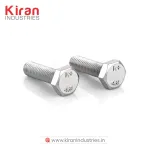
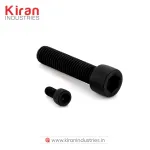
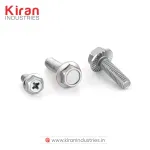
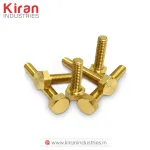
The extreme conditions of the field-vibration, wear and tear, high weight loads, and exposure to the elements-take a toll on flange nuts of agricultural equipment. Every tractor, harvester, tiller and farm implement relies on strong fastening and clamping hardware to keep its components in place. Flange nuts in agricultural machinery provide an effective means of mating compatible threaded parts while increasing bearing surface.
Information needed to choose the correct agricultural machinery fasteners involves thread size, material strength, surface treatments and usage requirements. The fastener should correspond to the equipment manufacturer's drawings and specifications in order to provide for safe operation and performance over time.
Fastening Challenges in Agricultural Machinery
Repeated use of farming equipment can subject the threaded connections to a number of conditions:
- Rotating parts
- Dynamic loads
- Engine vibration
- Vibrations caused by the engine
- Uneven ground can all cause fasteners to loosen
Dynamic loads experienced during the ploughing, harvesting and hauling process also stress the joints. When storing equipment outdoors, corrosive elements like moisture, mud, dust and agricultural chemicals can create corrosion risks. Equipment that is assembled and maintained frequently can also endure thread wear or damage. These problems are some of the reasons for the importance of farm machinery fastening in the design of equipment.
Some parts are under more strain than others. Some are always on the move, some are easier to get to, and some have a particular job to do in the structure. Selecting suitable agricultural machinery fasteners helps maintain reliable connections when combined with correct installation and inspection procedures.
Where Are Flange Nuts Used in Agricultural Equipment?
Consider flange nuts as alternatives for other agricultural implement assemblies where their bearing surface is suitable for the joint. The greater width of flange nuts provides increased contact with the mating part in comparison to a standard hex nut. Potential flange nut applications include use in equipment brackets, covers and shields, mounting supports, and some implement attachments.
Flange nuts can also be specified when it is important to facilitate installation and maintenance. The flange nuts for agricultural equipment depend on the factor like thread size, material grade, strength needed, vibration resistance and space available for installing is part of what makes flange nuts suitable for agricultural equipment. Each application doesn't need to use a flange nut for a joint. The real-world use should be in compliance with OEM drawings and engineering and assembly instructions.
Tractor Frames and Equipment Mounting Points
Flange nuts for tractors may be applied for appropriate mounting points, brackets, device supports and guards. Flange allows them to be used for a wider bearing area to spread out the clamping force to the mounted part. In some other tractor assemblies, this feature can provide the same advantage of tight retention with easy access for everyday repairs and service. Such assemblies are load-carrying and safety-critical, requiring fasteners matching the original engineering design.
Choosing appropriate tractor assembly fasteners involves ensuring fastens are suitable thread, material strength, strength of tightening torque and surfacer. For example, screws may be suitable for a structural assembly, but they may be worn by various factors during equipment operation.
Harvesters, Tillers and Agricultural Implements
Harvesters, tillers and other farm equipment feature a number of separate mechanical assemblies that need to be securely fastened. Some types of agricultural equipment fasteners may be assigned to mounting brackets, guards, covers and particular mounting configurations.
Use flange nuts for farm equipment when an extended bearing surface is applicable to the type of joint. For instance, flange nuts might be an option for compatible equipment brackets and protective guard assemblies.
But, when it comes to the harvesting/tillage process, different machinery will have different demands in terms of vibration, impact and mechanical loading. It is important to select a fastener that is appropriate for the load and material in the application.
How Flange Nuts React to Vibration and Repetitive Loads
Vibration is also a concern when choosing the fastening components for farm equipment. Vibration causes use-related degradation of fastener preload, and consequently looseness, if the joint design is not appropriate.
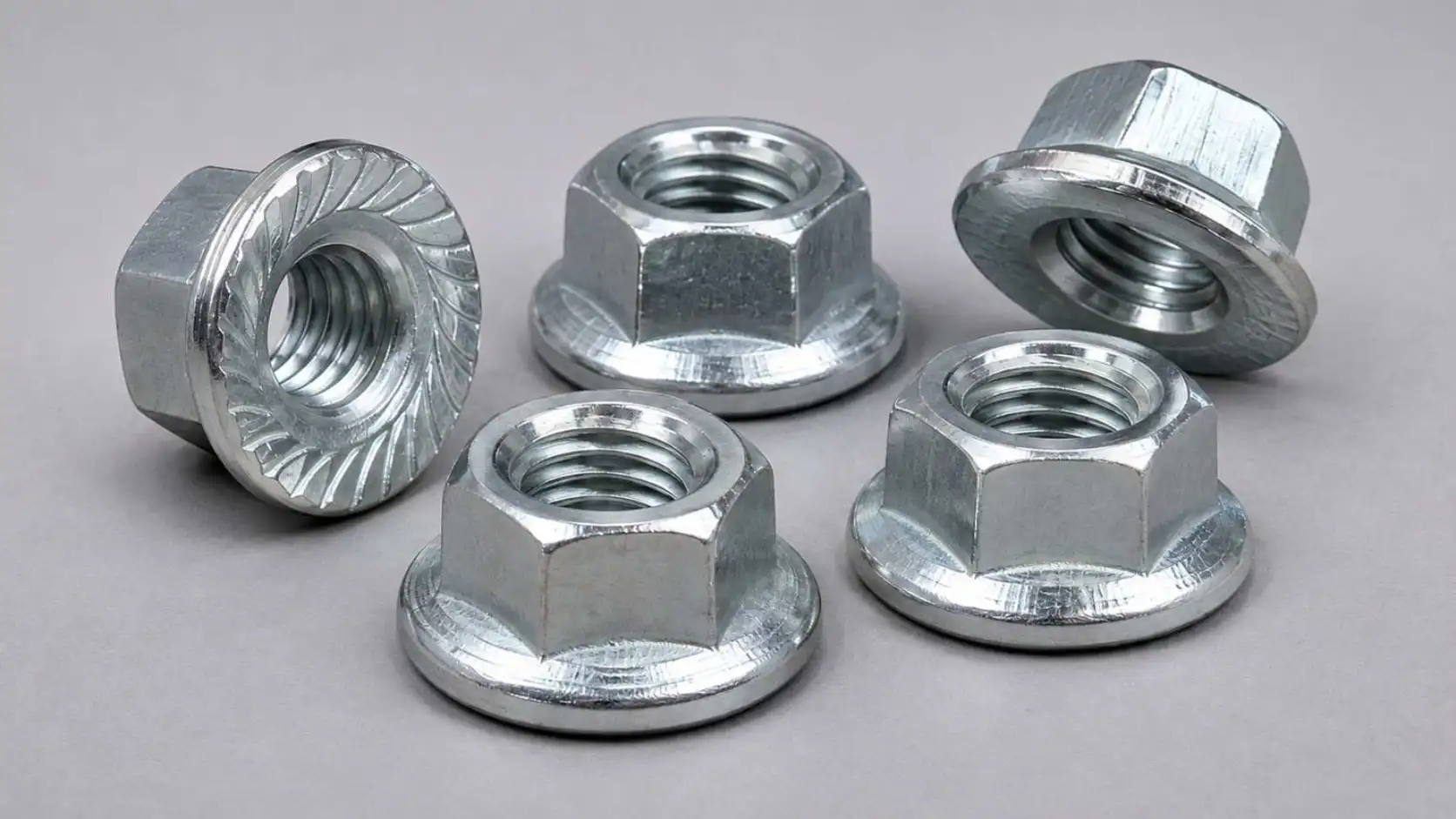
The underside of the flange on serrated flange nuts has grooves or teeth which can offer increased resistance to rotation by engaging the engaged surface. They could be appropriate for some applications when the joint design allows for serrated contact whereas non-serrated flange nuts offer a flush bearing surface and may have a significant place where surface finish and protection are desirable.
When using flange nuts under vibration environments, engineers should focus on joint stiffness, bolt preload, material compatibility and tightening torque. Serrations can help prevent fasteners from loosening, but the teeth alone aren't enough to hold a fastener under all vibration conditions. Some need additional locking arrangements, as directed by the equipment maker.
Material and Corrosion Considerations for Farm Machinery
Agricultural environments, including machinery, are exposed to moisture, mud, dirt, fertilizers and unpredictable weather. All of these can impact the longevity of your fasteners and corrosion resistance. Considerations mechanical strength is a key factor but some of the common considerations are:
- Carbon steel: A widely used industrial fastening material for various industrial fastening applications that is available in different grades depending on the strength requirements.
- Alloy steel: Used when increased mechanical strength or particular performance properties are desired.
- Stainless steel: Offer corrosion resistant within specific environments but the mechanical properties and types of stainless should be considered for the application joint.
- Surface cover: Usually applied to the surface to offer protection in opposition to corrosion.
- Additional protective coatings: Could be required depending on the test conditions, specified coating thickness and equipment.
When choosing the industrial flange nuts, it is necessary to measure the required mechanical properties, thread matching and coating specifications. For corrosion-resistant flange nuts, it should be specified by the actual situation, rather than by the appearance.
Installation and Maintenance Checks for Flange Nuts
Proper installation is key to ensuring flange nut performance in farm equipment. A piece of equipment with a good fastener can develop joint issues if the fastener is installed improperly, by over tightening, or with the wrong parts.
Important flange nut installation checks include:
- Thread compatibility: The thread diameter, thread pitch and thread type of the nut should equal to the length of the bolt/stud.
- Surface state: Confirm its dirty, rusty, damage, other contaminations, deformation, damage before fitting together.
- Mated surfaces: Confirm the mated surfaces are dirty, rusty, damage, other contaminations, deformation, damage before fitting together.
- Torquing: Verify that the fastener has been torqued to the proper torque setting.
- Position: Confirm that the nut is located in the correct position on the fitting face and not cross threaded.
- Inspection at installation: Fastening should be checked periodically for loosening, corrosion and visible damage.
Flange nut maintenance including damaged thread or thread damage due to corrosion/deformation can be replaced. Allowed, by OEM specifications and general fastening rules, re-fitting.
What Agricultural Equipment OEMs Should Check Before Ordering
Review physical and technical specifications prior to bulk purchasing flange nuts on behalf of farm equipment OEMs and purchasing teams. Products selected only for the lowest price or most attractive appearance may lack the necessary thread engagement, strength or corrosion resistance.
Before contacting flange nut suppliers in India or flange nut manufacturers in India like Kiran Industries you should know:
- Technical drawings: Verify dimension and dimension of flange, thickness, and general description of the nut.
- Thread details: Make sure you have the thread diameter, pitch, type and tolerance right.
- Material grade: Specify steel grade and mechanical properties.
- Finish surface: Understand the type of coating required and the extent of corrosion protection needed.
- Material and dimensional standards: Check the purchase specification for any material or dimensional standards.
- Inspection criteria: Check all dimensional aspects. Testing of material should be checked. Acceptance criteria of the quality should be checked.
- Supplier documents: Request test certificates, inspection reports, and traceability information.
OEMs can check the flange nut series available from Kiran Industries and understand the details of products, bulk purchase and application for best utilisation.
Conclusion
Choosing the right industrial flange nuts can support agricultural equipment manufacturers with quality threaded fastenings for harsh conditions of use. Material strength, size, coating types and installation specifications should always be appropriate for the specific application. Browse the range of flange nuts from Kiran Industries to identify appropriate fastening requirements for agricultural machinery.