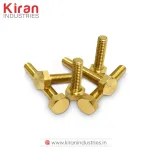
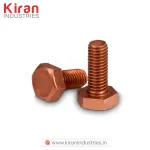
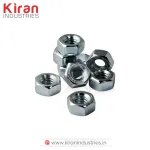
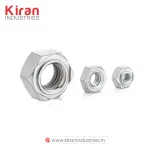
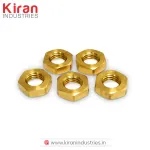
Strength is a key factor in a brass bolt and it doesn't win often. But it continues to come up on purchase orders, drawings and maintenance lists. Why? Industrial sourcing isn't all about the best material. It's the matter of selecting the right one.
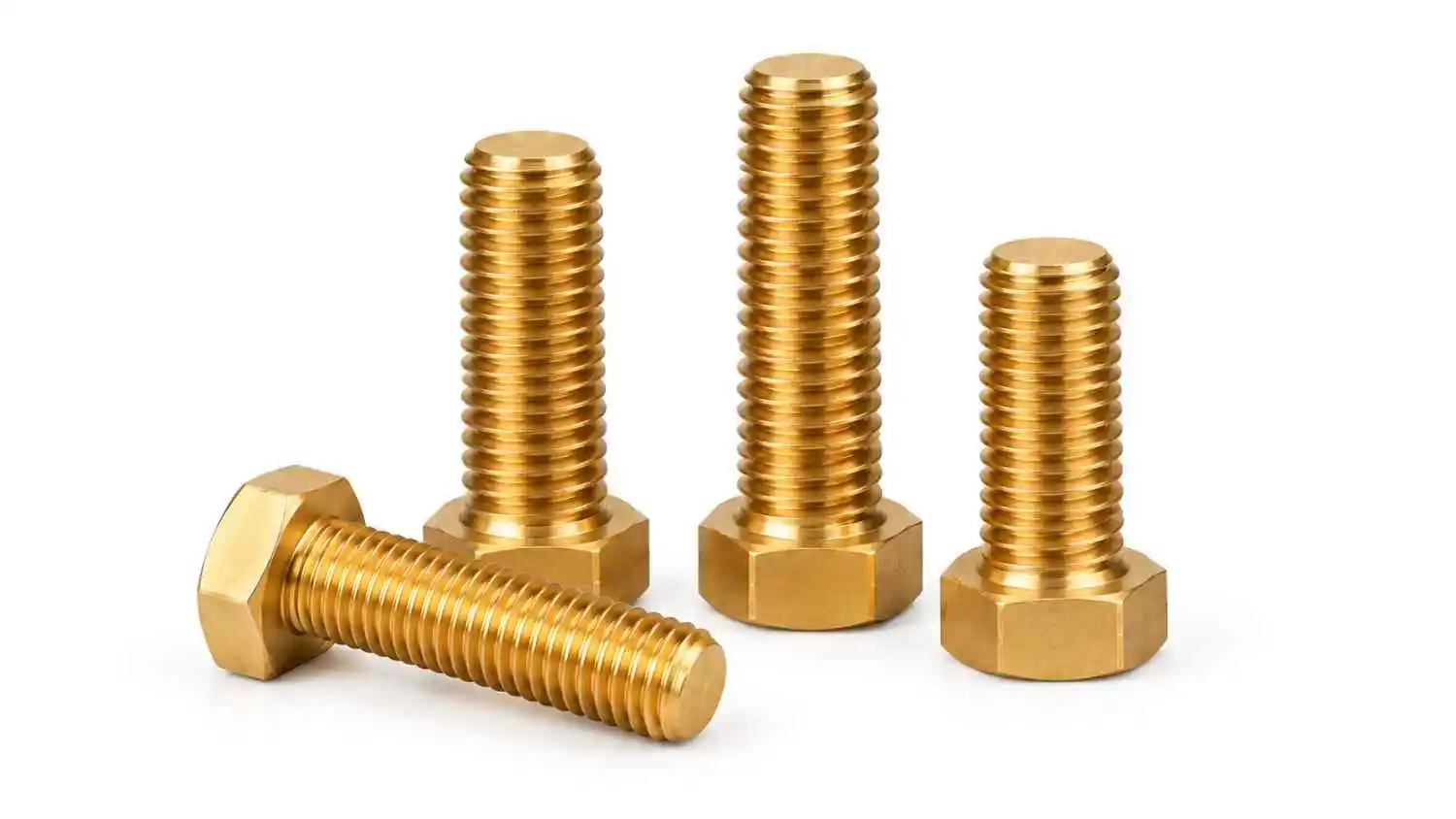
Brass bolts are used because they are more resistant to corrosion than high strength steel, conduct less electricity than high strength steel and are easier to machine to high tolerances for clean parts than most other metals. Take a look at electrical panels, plumbing lines, machine covers and wet assemblies. In these environments, steel can get rusted or jammed but the brass continues to work. However, this repair for brass isn't a one-size-fits-all solution. Select it for the wrong joint and then, the problems start.
This blog details the places where brass fits, where it does not and what buyers can check before ordering industrial fasteners in bulk quantities or from a drawing. We also accept custom orders and talk about the true price of sourcing.
Why Brass Bolts Remain Relevant in Industrial Sourcing
Brass has a combination of copper and zinc and this alloy provides brass bolts with a number of practical benefits that steel options may not offer.
- Corrosion resistance in moist, corrosive or outdoor conditions.
- Keeping the threads clean and consistent while easily machined.
- Held in a good electric contact point
- Non-magnetic and non-sparking behaviour for sensitive environments.
- Reliable torque when operating within design limits.
That is why the brass fasteners are always on the approved vendor lists even when there are less expensive alternatives.
Where Brass Bolts Fit in Heavy-Duty Applications
Not all jobs require a steel bolt. Brass bolts are generally used in these locations throughout an industrial plant or OEM assemblies:
- Electrical assemblies, terminals and panel fittings
- Designing parts that can be readily put together and taken apart
- Machinery housings, covers and low stress fixtures
- Plumbing systems that are exposed to moisture.
- High corrosive areas, e.g. marine or chemical neighbor areas
These are all applications where a rustless metal fastener with long lasting surface finish is required, and brass is ideal for such applications in industrial fasteners. Always use the correct bolt, not the setting.
Brass Bolts vs High Tensile Fasteners: Different Jobs, Different Strengths
Consider it two instruments in the same case. High tensile fasteners are heat treated steel with high structural and mechanical load. They are appropriate for load-bearing joints, vibrating equipment and high-torque assemblies. This is because brass bolts operate differently. Corrosion resistance, good electrical conductivity, and good machinability, and have lower tensile strength.
Both are not better in terms of overall. Replace it with one without looking at the design, or you may end up with a failure or with unnecessary corrosion. The smart way to handle it is to start with defining the load, the environment and the electrical requirements. Then decide on the material that works best with that combination, instead of simply the one that is a familiar purchase order.
What Industrial Buyers Should Check Before Sourcing Brass Bolts
Before sending out a purchase order for brass bolts, you should ensure that these are confirmed with the brass bolts manufacturer in writing, so that no one gets left behind between enquiry and delivery:
- Dimensions: Diameter, length and head type
- Both the thread type and pitch are available as metric or imperial options.
- Brass grade and composition
- Combine with other ingredients in a finished product, for example, may be plain or plated.
- The concept of tolerance and fit expectations.
- The operating conditions of moisture, temperature, load.
- If you have ordered the same item in the past that is required again, do not order again.
The mismatched batches go to the shop floor by skipping these. A clear specification sheet helps to save time, rework and rejections for both sides. This also enables the supplier to estimate correctly the first time.
Why Material Quality Matters in Brass Fasteners
Brass is forgiving, but the quality of the brass is apparent in no time. The material may crack and dezincify because of its inconsistency and impurities, and may result in weak threads.
The four main requirements for good brass fasteners are alloy purity, dimensional accuracy, clean threading and batch uniformity.
Corrosion resistance decreases when the alloy is out of tolerance. Rough threads slow assembly time and make it difficult to accurately measure torque readings. You have fit problems on your line due to batches that vary. Reputable suppliers like Kiran Industries will undertake tests on incoming material and check finished lots. All brass bolt cartons must be similar to the sample that you have approved.
Request material test certificates and inspection records from your supplier. Such documents certify the alloy, rather than simply guarantee it. If a manufacturer is freely giving them away, it's because they have nothing to hide.
The Role of Reliable Fastener Manufacturers in Bulk Sourcing
Bulk and OEM buyers don't need just a price list. A reliable fasteners manufacturer provides abilities that safeguard manufacturing schedules:
- Allows us to offer in-house production for large and repeat orders.
- Quality control documented at raw material, in-process and at the end product.
- Re-test for consistency between batches.
- Technical support on picking up, selecting and finishing of grades.
Even experienced industrial fasteners manufacturers can keep a dialogue going about lead time, when your assembly line can't wait. If the supplier is quick to answer technical questions, it's likely that they are in control of the process. Don't take anything on faith.
Custom Brass Bolts for Application-Specific Requirements
Standard catalogue sizes don't always fit. Brass is readily machined into non-standard forms and many OEM's require custom fasteners around a specific assembly.
Any special lengths, diameters, thread specifications, head style or finish can be requested by the buyer. Communicate a clear drawing with tolerances, quantity and end use.
Then the brass bolts manufacturer can be able to confirm the feasibility and can recommend appropriate grades and quote realistic timelines. It is better to sample prior to full production – it's an extra week worth the effort. It helps to prevent the first batch from being a surprise.
Cost, Availability and Long-Term Procurement Value
The appearance of a low unit price may be enticing on a quotation. It will not usually tell the whole picture. Rejected lots, rework, assembly delays and mismatched batches cost, and never show up on the invoice. When evaluating quotes for brass bolts, consider the whole picture:
- Take care to ensure consistency of batch to batch.
- The availability of repeat orders.
- Rejection and return rates
- On-time and timely delivery.
Quality is built into the offering, not the risk, with experienced fasteners manufacturers. Kiran Industries ensures repeat orders by providing batch records and planned stock. In a year's time the regular supplier is generally the cheaper one, and it is the norm that Kiran Industries adheres to.
Conclusion
There are times when material properties are the same as the job and brass bolts come into play. They are a good choice for certain applications due to their corrosion resistance, conductivity and machinability, but at high loads, they remain steel joints. The difference between a good order and a costly one lies with the supplier.
Kiran Industries manufactures bolts, nuts and industrial fasteners with consistent quality. Share your drawing or requirement with us, and we will help you source the right brass fasteners.